
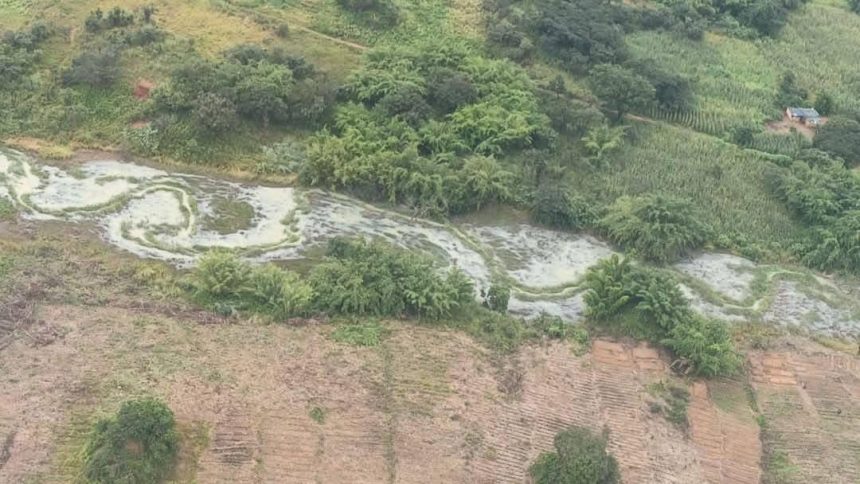
The unchecked disposal of mining waste is wreaking havoc on Zambia’s water bodies, ecosystems, and communities.
On February 18, 2025, a toxic spill from Sino Metals Leach released 50 million tons of waste into the Mwambashi and Kafue Rivers, threatening thousands of livelihoods. This disaster is part of a growing environmental crisis in the region.
In a conversation with Mavis Siame, a Zambian national pursuing a Master’s degree in Climate Change Policy at the Pan-African Institute of Water and Energy Sciences, she shares how her passion for environmental advocacy was ignited.
Her research on waste management in Lusaka exposed her to the urgent need for action, driving her to seek a deeper understanding of climate change and its impacts.
Siame recalls partly growing up in a rural farming community where her father relied on agriculture for their livelihood. Over the years, she witnessed inconsistent harvests and declining yields, which were linked to climate change.
Acquiring knowledge in climate policy, she explains, has given her insight into food security issues, climate change adaptation strategies, and sustainable solutions.
Siame’s passion for environmental advocacy deepened when she saw firsthand the various devastating environmental injustices in Zambia. One of the most recent and severe cases was the February 2025 mining disaster that polluted the Mwambashi and Kafue Rivers.
She takes us through the impact of the environmental pollution caused by a mining company on the Kafue River, a tributary of the mighty Zambezi River, and the Mwambashi, a tributary of the Kafue River.
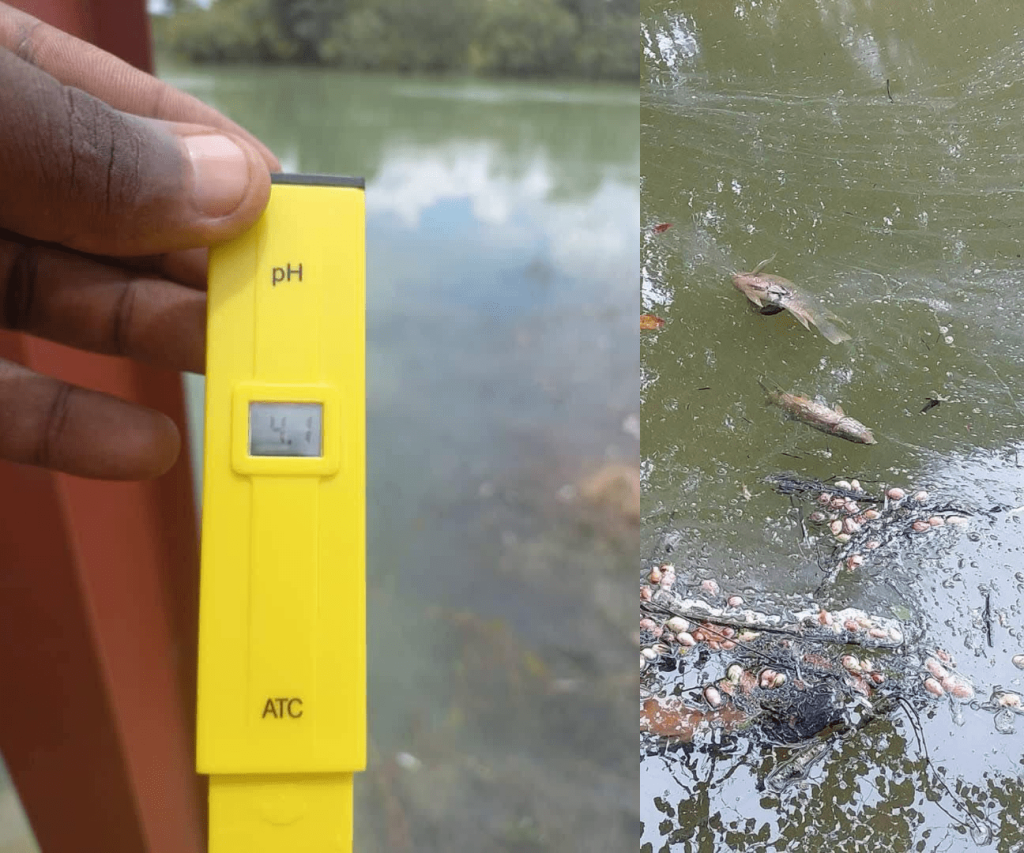
Mwambashi River Pollution from Mining Activities
On February 18, 2025, a catastrophic environmental disaster struck when a mining company, Sino Metals Leach, collapsed, releasing 50 million tons of toxic waste into the Mwambashi and Kafue Rivers, tributaries of the mighty Zambezi River. The spill, exacerbated by heavy rains and flooding, spread over a 150-kilometer distance, affecting multiple areas, including Chambishi, Kitwe, and Kalolishi in Zambia’s Copperbelt region.
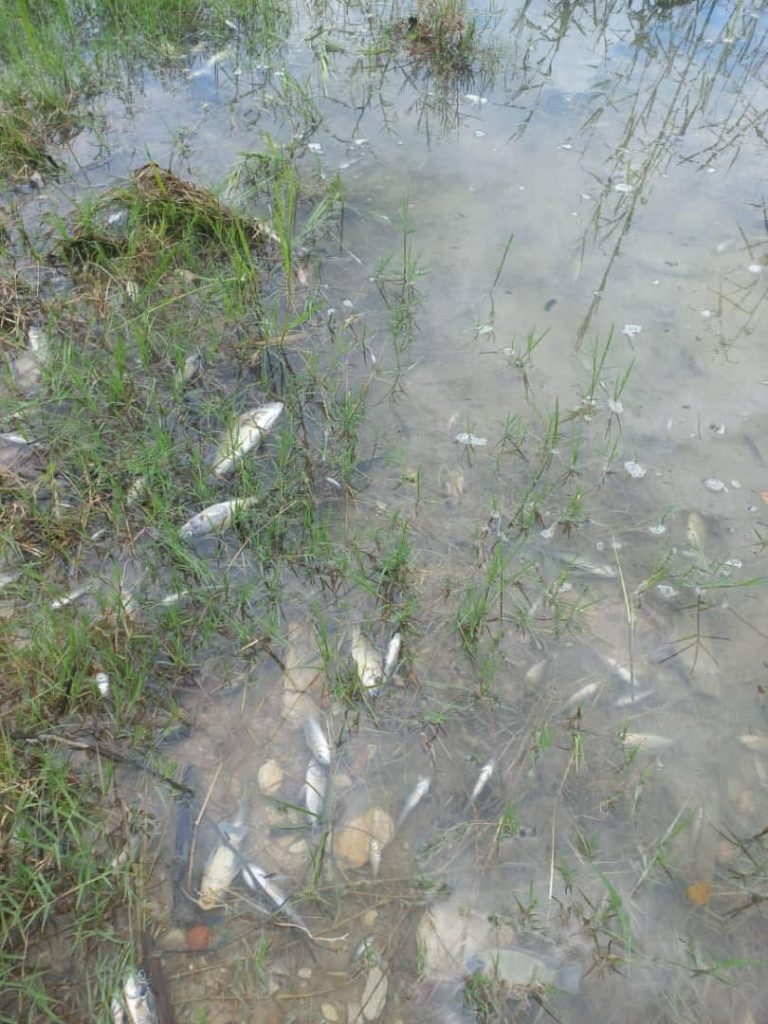
The 50-million-ton spill included hazardous substances such as lead and sulfuric acid, which can cause severe health problems, including respiratory illnesses and organ damage. Farmers reported massive crop failure, while fisherfolk watched as entire fish populations perished overnight.
The impact of this pollution on Zambia’s ecosystems has been devastating. More than 200 smallholder farmers, who depend on the Mwambashi and Kafue Rivers for their livelihoods, have suffered significant losses.
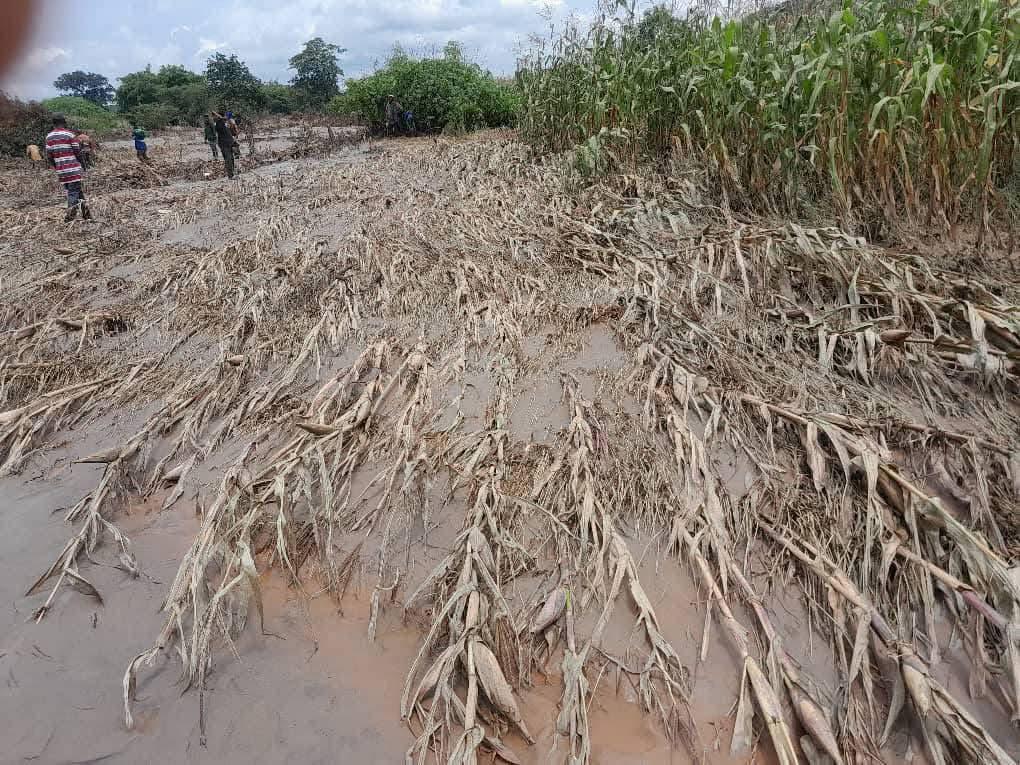
Witnesses reported thousands of dead fish floating in the contaminated waters, while crops near the riverbanks withered due to toxic exposure. The full extent of the health consequences remains unclear, but residents fear long-term effects.
“The sight of lifeless fish and dying vegetation along the riverbanks signals an ecological catastrophe beyond ordinary pollution,” said Siame.
Water scarcity became an immediate challenge as authorities closed water points to prevent consumption of contaminated supplies. The increased acidity in the water also led to crop failures, raising concerns about food insecurity.
Mavis reveals that the President declared this occurrence a national environmental emergency once it reached his desk, followed by sensitization actions from the Zambia Environmental Management Authority (ZEMA) to ensure the safety of the people.
After the declaration as a national emergency, the Zambian government began rolling out measures to protect citizens. Some of these measures undertaken by ZEMA included launching awareness campaigns, urging locals to avoid consuming dead fish and to refrain from using polluted water sources.
This inexplicable incident is one of many others that occur, with some barely being heard of despite the immense consequences they have on humans, biodiversity, and the environment at large. Environmental violations, particularly within the mining sector, have long plagued the region.
While regulations exist, enforcement has remained weak, with issues often attributed to corruption, especially involving foreign companies. This corruption hinders accountability, failing to safeguard the most vulnerable communities that rely entirely on these ecosystems.
Activists and civil society organizations (CSOs) have come out strongly, pushing for action and compensation for the affected. Echoing this message is Mavis Siame, with her clear and urgent call for persistent advocacy as key. “The louder the voices, the harder it is to ignore the atrocities being committed,” emphasized Siame.
A Path Forward in Action for Environmental Justice
Beyond activism, systemic reforms are crucial. Mining companies must adhere to stringent safety standards and conduct regular infrastructure assessments to prevent future disasters. Regulatory bodies like ZEMA require sufficient funding and independence to operate without political or corporate interference.
Policymakers also bear a responsibility. Siame stresses that profit should never come before people. Many mining operations displace communities and expose them to pollution without adequate safeguards.
“If African nations are to protect their citizens, they must enforce sustainable mining practices that prioritize human and environmental well-being,” she added.
Community awareness is another pillar of change. In rural areas, radio remains the most accessible medium for disseminating information, and Zambia’s administration can leverage this medium to pass urgent messages.
The government’s disaster management unit could leverage mobile alerts and radio broadcasts to educate residents about environmental risks. On-the-ground awareness campaigns would also empower communities with the knowledge needed to demand their rights.
As this crisis unfolds, one fact remains undeniable: silence only benefits those responsible for environmental destruction.
Achieving environmental justice requires a united front of activists, journalists, policymakers, and communities standing together, with Zambia’s case being one of the many that occur. Only through collective action can meaningful change take root, ensuring that Zambia and the rest of Africa do not continue to pay the price for unregulated industrial greed.
