
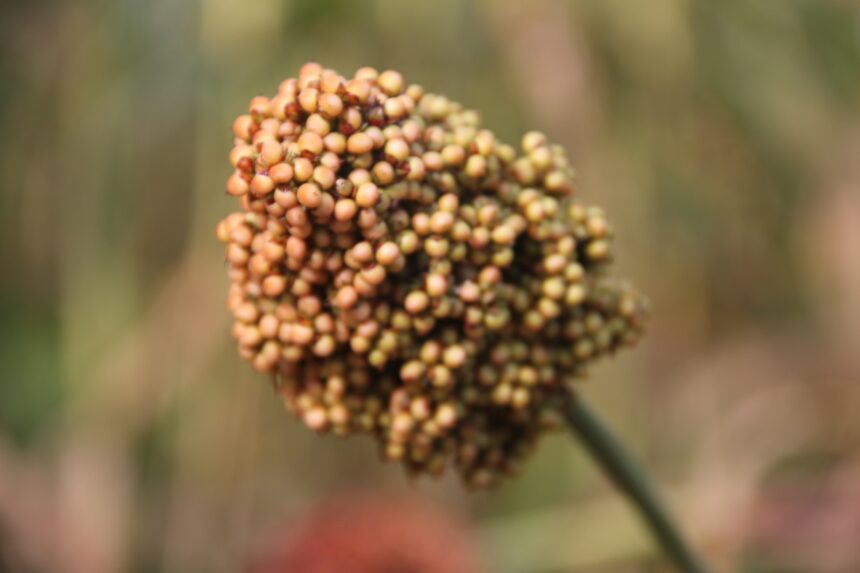
The decision preserves the biodiversity of indigenous seeds, protects their livelihoods and maintains control over their traditional seeds, ensuring food sovereignty for smallholder farmers across Kenya.
Hannignton Osodo, One Planet Agency
Kenyan farmers will continue to save, exchange and plant their seeds without the threat of criminal penalties after the Court of Appeal upheld a High Court ruling that decriminalised the practice.
The decision rejects the government’s attempt to suspend the earlier judgment, keeping protections for smallholder farmers in place and reinforcing their role in the country’s food ecosystem.
Greenpeace Africa welcomed the ruling, saying it affirmed farmers’ traditional rights to conserve, exchange and sow indigenous seeds over commercial interests.
Elizabeth Atieno, food campaign lead at the organisation, said: “Today’s ruling is a major step forward, but our work is far from over. We must remain vigilant. What’s at stake is Kenyan farmers’ ability to preserve the biodiversity of our indigenous seeds, protect their livelihoods and maintain control over their traditional seeds.”
The High Court had ruled on November 27 2025 that key provisions of the Seed and Plant Varieties Act were unconstitutional. The government appealed the decision earlier this year.
Farmers previously risked up to two years in prison or fines of KSh1 million (USD 7,800) for selling or exchanging unregistered seeds, and were required to pay KSh200,000 (USD 1,560) for seed registration.
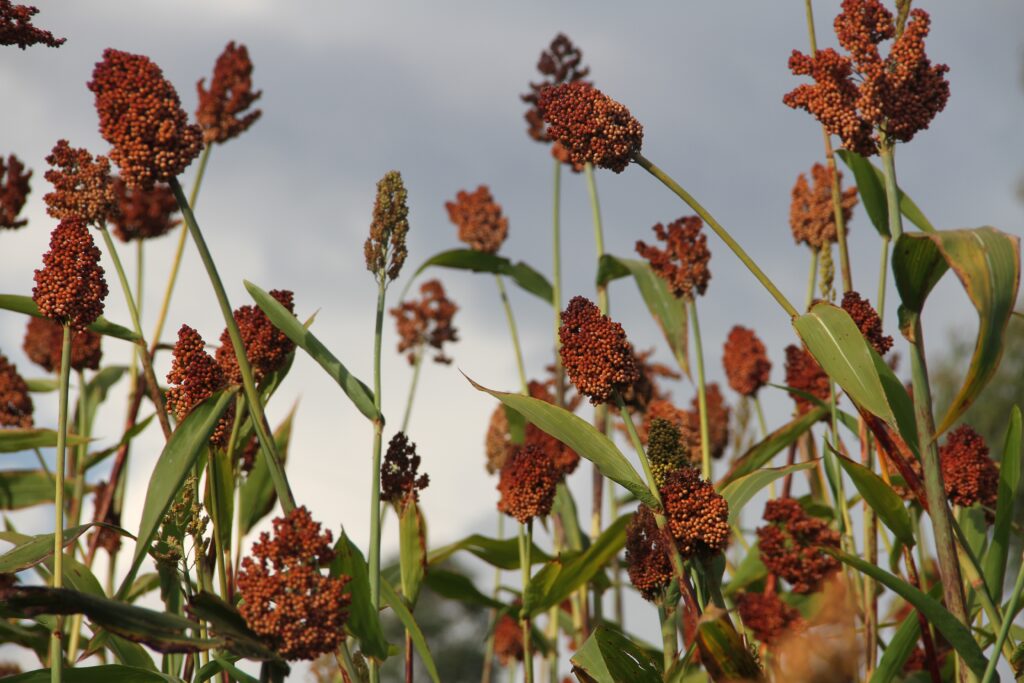
Critics argued that the rules consolidated control over the food supply in the hands of large agricultural corporations.
In its decision, the Court of Appeal emphasised that farmers’ rights are central to a resilient and equitable food system. The ruling recognises farmers as custodians of biodiversity and upholds their long‑standing seed‑saving practices.
Despite the latest victory, the government has signalled its intention to pursue a full appeal to overturn the ruling in its entirety.
OPA News
