
The 30th United Nations Climate Change Conference (COP30) opened in Belem, Brazil, with strong calls for unity and decisive action to transition the world beyond fossil fuels.
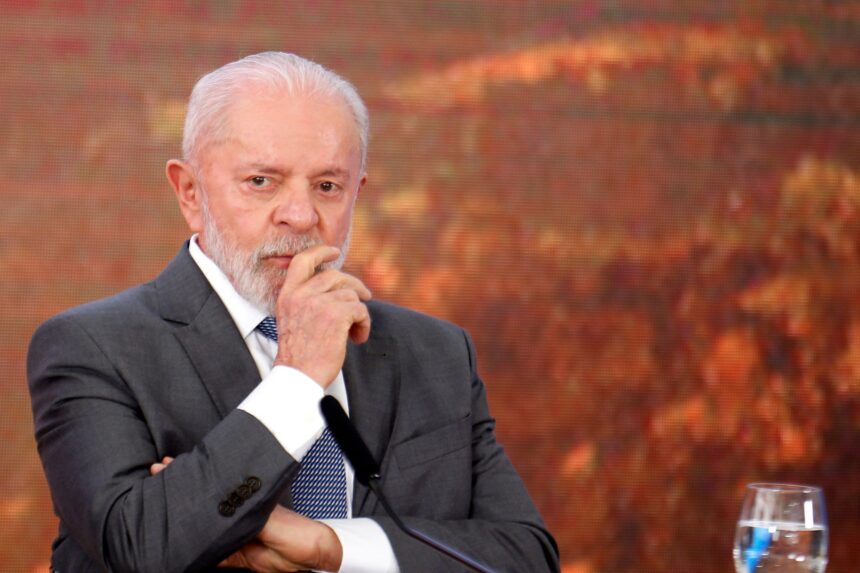
In his opening address, Brazilian President Luiz Inácio Lula da Silva declared that Belem would serve as the “capital of the world” for the next two weeks, bringing together governments, mayors, and civil society in a collective effort to tackle the climate crisis.
Lula reiterated his vision for a global pathway toward a post-fossil fuel future, urging nations to confront the growing gap between their Nationally Determined Contributions (NDCs) and the Paris Agreement’s 1.5°C target. He emphasized investment in forests, adaptation, and climate finance from wealthy nations as crucial pillars of success.
Early Win for COP30 Presidency
The conference began on a positive note with delegates adopting the official COP30 agenda—an early win for the Brazilian presidency, which had feared procedural delays. Negotiators agreed to open consultations on key contentious issues, including finance, trade measures, and transparency reports, to be addressed comprehensively during Wednesday’s global stocktake session.
That meeting is expected to serve as a crucial test of whether parties can bridge deep divides or face another round of deadlock and delay.
Disasters Highlight Urgency
The talks come amid stark reminders of climate devastation. Delegates arrived in Belem just days after Typhoon Fung Wong struck the Philippines and weeks after Hurricane Melissa ravaged Jamaica. Representatives from vulnerable nations pressed for real-world impacts to remain central to the negotiations.
“Within a day of Melissa’s passing, Jamaica became the world’s symbol of climate devastation,” said UnaMay Gordon, a former Jamaican climate negotiator. “Belem needs to prove to the world that it is a symbol of climate action.”
From Promises to Implementation
The Least Developed Countries (LDC) Group used the opening sessions to demand bold and tangible progress. Evans Njewa, Chair of the LDC Group, warned that the world is running out of time to preserve the 1.5°C goal.
“The world must not allow the 1.5°C goal to slip away,” Njewa said, calling for a tripling of grant-based adaptation finance by 2030, a roadmap for enhanced 2030 and 2035 emission targets, and expedited funding for National Adaptation Plans.
NDC Update Shows Progress—But Gaps Persist
The UN Framework Convention on Climate Change (UNFCCC) also released an updated analysis of national climate plans, reflecting new submissions from countries including China and the European Union. According to the report, the revised NDCs could cut global emissions by 12% by 2035.
“That’s a big deal,” said UN Climate Chief Simon Stiell. “Every fraction of a degree of heating avoided will save millions of lives and billions of dollars in climate damages.”
However, Stiell warned that a significant gap remains between current ambition and the level of emissions cuts required to limit warming to 1.5°C. The outcome of Wednesday’s stocktake will be pivotal in determining whether nations can agree on a credible response to the NDC ambition gap.
As the summit moves into its critical phase, all eyes are on Belem—to see whether it will stand as a symbol of climate action or another missed opportunity in the global fight against climate change.
