One Planet AgencyOne Planet AgencyOne Planet Agency
  • Home
  • Climate News
    • Politics
    • Justice
    • Finance
    • Business
    • Nature
    • Science
    • Carbon Markets
    • Explainers
    • Series
    • All news
  • Climate Tech
    • AI and climate
    • Campaigns
    • Companies
    • Innovations
    • Science
    • Training
  • Green Markets
  • People & Voices
    • Interviews
    • Opinion
    • Women
    • Guest Writers
  • Energy
  • Deep Dives
    • Investigate
    • Expert Opinion
    • Analysis
  • Multimedia
    • Pictures
    • Videos
    • Podcast
Reading: A-RAS Technology is Paving the Way for Sustainable Aquaculture
Share
Notification Show More
Font ResizerAa
Font ResizerAa
One Planet AgencyOne Planet Agency
  • Home
  • Climate News
  • Climate Tech
  • Green Markets
  • People & Voices
  • Energy
  • Deep Dives
  • Multimedia
  • Home
  • Climate News
    • Politics
    • Justice
    • Finance
    • Business
    • Nature
    • Science
    • Carbon Markets
    • Explainers
    • Series
    • All news
  • Climate Tech
    • AI and climate
    • Campaigns
    • Companies
    • Innovations
    • Science
    • Training
  • Green Markets
  • People & Voices
    • Interviews
    • Opinion
    • Women
    • Guest Writers
  • Energy
  • Deep Dives
    • Investigate
    • Expert Opinion
    • Analysis
  • Multimedia
    • Pictures
    • Videos
    • Podcast
Have an existing account? Sign In
Follow US
One Planet Agency > Blog > Electric Vehicles > A-RAS Technology is Paving the Way for Sustainable Aquaculture
Electric VehiclesEnergyEnergy

A-RAS Technology is Paving the Way for Sustainable Aquaculture

By Victor Okeyo Last updated: January 21, 2026 4 Min Read
Share
A-RAS

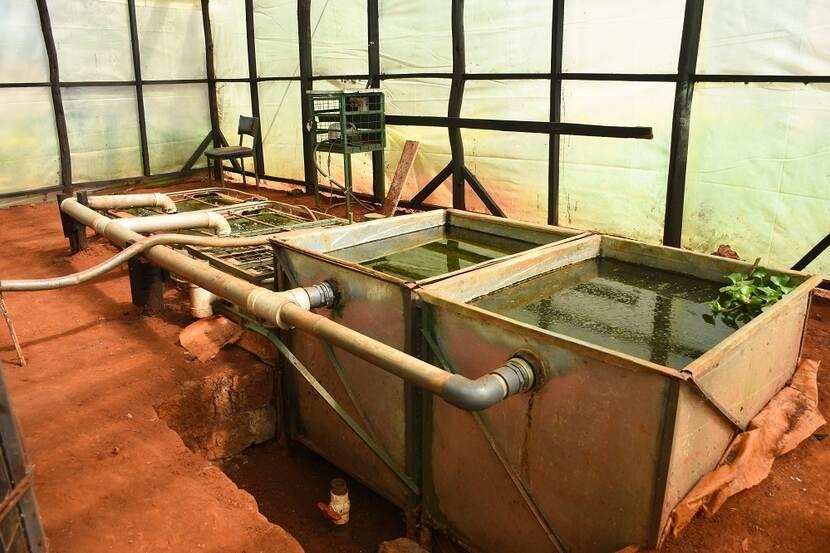
Piloted in Kenya, the Affordable Recirculation Aquaculture System (A-RAS) is an eco-friendly fish farming technology that recycles water, conserves resources, and reduces pollutants, providing a controlled environment for higher yields and faster fish growth. The innovative project, a collaboration between the government of Kenya and the Kingdom of the Netherlands, aims to address challenges in aquaculture and achieve the Sustainable Development Goals (SDGs).

Kenya produces over 150,000 metric tons of fish each year, relying primarily on its lakes, which contribute around 80% of this volume, and marine and aquaculture, 10% each. However, the sustainability of harvesting fish from natural waters is under threat due to climate change and ever-increasing environmental pressures such as pollution from heavy metals, oil spills, chemicals, and other contaminants. 

Addressing these challenges requires innovation supported by research.  Today, around 50,000 small-scale farmers are engaged in aquaculture, relying on simple fish ponds made by digging out the ground or lining the pond with dam liners, raising tilapia and catfish.

Unlike traditional ponds that depend on a continuous flow of fresh water, A-RAS recycles water within the system, conserving water, reducing exposure to chemicals and heavy metals, and minimizing environmental impact. This approach provides farmers with a stable, controlled environment for fish growth, promoting higher yields and improved quality.

The Affordable Recirculation Aquaculture System (A-RAS) pilot project was launched in Nyeri County, where approximately 3,000 farmers operate fish ponds. Peter Mwangi, a fish farmer benefiting from the A-RAS project, transformed his traditional 8×15-meter pond into a modern, sustainable system using affordable materials like timber, dam liners, and IBC tanks. By incorporating a greenhouse, rainwater harvesting, and solar-powered water recirculation, Peter eliminated wastewater discharge and significantly boosted productivity.
A-RAS

His new setup accommodates 4,500 fingerlings, yielding 1,800 kg of table fish—over four times his previous output. Fish now mature in 4 to 6 months instead of nine, allowing him to sell twice a year and greatly increase his income.

Despite its benefits, A-RAS faces challenges such as high setup costs, disease management, technical complexity, the need for specialized labor, and occasional system failures like clogging. Despite the high initial investment for A-RAS, the payback period and overall profitability of A-RAS are significantly greater. In fact, under optimal conditions, A-RAS can deliver up to 40 times the productivity of a standard pond system.

Adopting A-RAS technology is vital for advancing key Sustainable Development Goals (SDGs) in the face of climate change. It supports water security (SDG 6) and climate action (SDG 13) by utilizing green energy like solar power. A-RAS also addresses Zero Hunger (SDG 2) by enhancing access to sustainable protein, improving nutrition, and strengthening food security.

Furthermore, it fosters sustainable agriculture, creating a more resilient and efficient farming system. The results of the A-RAS feasibility project highlight how innovation and collaboration can drive significant socio-economic progress in Kenya.

TAGGED: Affordable Recirculation Aquaculture System, Sustainable Development Goals

Sign Up For Daily Newsletter

Be keep up! Get the latest breaking news delivered straight to your inbox.

By signing up, you agree to our Terms of Use and acknowledge the data practices in our Privacy Policy. You may unsubscribe at any time.
Victor Okeyo January 21, 2026 January 29, 2025
Share This Article
Facebook Twitter Email Copy Link Print
What do you think?
Love0
Sad0
Happy0
Sleepy0
Angry0
Dead0
Wink0
Leave a comment Leave a comment

Leave a Reply Cancel reply

Your email address will not be published. Required fields are marked *

YOU MAY ALSO LIKE

Will cheap EVs from China wean Kenya off its second‑hand car dependence?

There is appetite for Chinese EVs but sparse charging infrastructure and taxes still discourage adoption. Seth Onyango and Derrick Opar,…

Climate NewsEast AfricaEnergyTechnology
April 15, 2026

Oil shock from Iran crisis clouds global shift to clean energy

Rising oil market turmoil linked to the Iran crisis is threatening to slow the global shift to renewable energy, as…

All newsClimateClimate NewsElectric VehiclesEnergyEnergyEnvironment
April 2, 2026

Kenyan manufacturers ramp up efficiency under stricter rules

Kenyan manufacturers are moving fast to cut waste and sharpen efficiency as tighter rules take hold. Officials say the changes…

Climate NewsEast AfricaEnergy
March 9, 2026

How African governments are adjusting to shocks from the war on Iran

The immediate policy response across much of Africa is likely to focus on fiscal containment and debt management. Derrick Opar,…

Climate NewsEnergy
March 5, 2026
We use our own and third-party cookies to improve our services, personalise your advertising and remember your preferences.
  • My Bookmark
  • Interests
  • Contact Us
  • Blog Index
  • Complaint
  • Advertise
  • Exclusives
  • Learn How
  • Support
  • Solutions
  • About Us
  • Terms And Conditions
  • Editorial Policy
  • Marketing Solutions
  • Industry Intelligence

Follow US: 

© 2025 One Planet Agency.  All rights reserved.

© 2025. All Rights Reserved. One Planet Agency
adbanner
AdBlock Detected
Our site is an advertising supported site. Please whitelist to support our site.
Okay, I'll Whitelist
Welcome Back!

Sign in to your account

Register Lost your password?