
Even as global awareness of inclusive development grows, the integration of gender equality into agri-food systems projects and programs continues to be hampered by persistent challenges that demand attention.
Deep-rooted social norms, limited access to resources and decision-making spaces for women and youth, and weak institutional capacity often hinder meaningful participation and benefits for all.
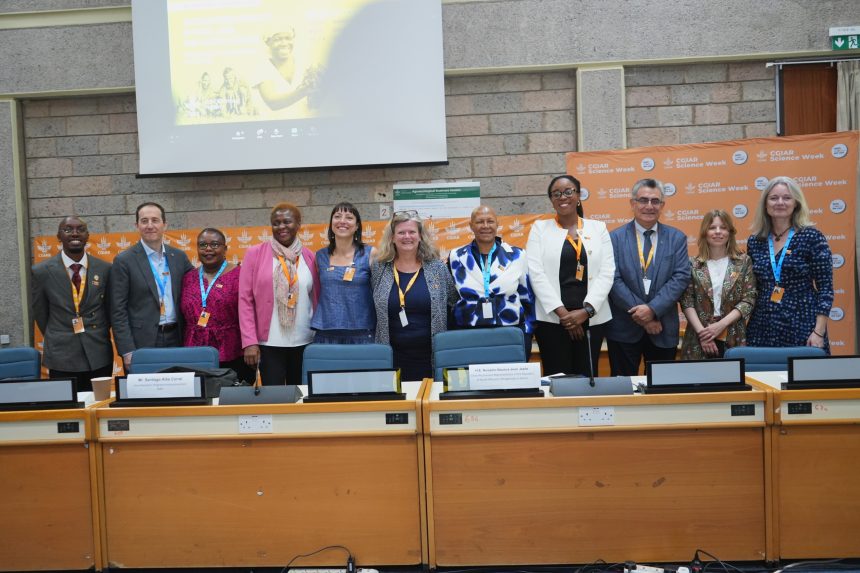
The Consultative Group on International Agricultural Research (CGIAR) during the inaugural Science Week 2025 hosted a strategic dialogue on Gender Equality and Social Inclusion to show the efforts that are being made to bridge the gap.
The CGIAR Gender Equality and Inclusion Accelerator (GENDER Accelerator) portfolio is at the forefront of driving innovative research and practical solutions that promote gender equality, expand opportunities for youth, and foster broader social inclusion.
Through its work across CGIAR’s Food, Land, and Water Systems, the Accelerator supports evidence-based strategies and partnerships that aim to transform agri-food systems into more inclusive, equitable, and resilient spaces for all, especially women and young people.
Many initiatives still fall short of moving beyond tokenistic approaches, lacking the tools, data, and accountability mechanisms necessary for transformative change. As the world strives to build resilient and equitable food systems, addressing these barriers is essential for sustainable development and food security.
The Chief Scientist of CGIAR, Sandra Milach, highlighted 3 things critical for the success of the new Accelerator: evidence to show the power that we have in food systems and the entry points of interventions; incentives working with policy programmes; and engagement of leadership at all levels including youth, community and national levels.
The GENDER Accelerator, capitalizing on the achievements of the CGIAR GENDER Impact Platform (https://gender.cgiar.org), stands ready to significantly influence the creation of a supportive environment for gender equality and inclusion research across food, land, and water systems.
Through enhancing external partnerships, shaping policy, and magnifying the effects of inclusive innovations, the Accelerator contributes to establishing the essential conditions for enduring, systemic transformation.
In her opening remarks, Dr. Ismahane Elouafi, Executive Managing Director CGIAR, emphasized the need for urgent and accelerated action. Pointing out that with just five years remaining until the 2030 deadline for achieving Sustainable Development Goals, SDG5 gender equality, remains a distant goal, if we keep on with the pace we are going, especially in the world’s low- and middle-income countries.

It’s apparent that despite global commitments, closing the gender gap could take a longer time, and achieving equality would require huge investment backed with evidence-based data to streamline equitable inclusion.
“The stark reality is that women and marginalized groups continue to face systemic barriers to accessing productive resources, ranging from land and technology to information, markets, and financial services. Employment and entrepreneurship opportunities for these groups remain limited, further weakening their resilience and that of the communities they support,” said Ismahane.
As a result, agri-food systems remain vulnerable, less productive, and unsustainable. However, this isn’t about fixing women farmers; rather, it’s about fixing the broken systems around them. Through platforms like the CGIAR GENDER Impact Platform and the Gender Equality and Inclusion Accelerator, there are efforts to scale inclusion.
This illustrates a growing recognition that transforming food, land, and water systems is essential for unlocking the potential of women and youth, building resilient communities, and advancing inclusive development.
Nicoline De Haan, Director of CGIAR GENDER Impact Platform, said it’s instrumental that we get cutting edge technology into the hands of women and co-design them so that we know what they need. She further highlighted how crucial it is to pay close attention to the youth and set them up for success right now.“The time for bold, coordinated action is now; we cannot afford to wait any longer,” said Nicoline.

The panel discussion that brought experts from various disciplines emphasized the need for youth engagement as youth are the hope of the future. Youth, who make up a significant portion of the population in many low- and middle-income countries, face a unique set of challenges in engaging meaningfully with agri-food systems.
Limited access to land, finance, skills development, and decision-making platforms often excludes them from opportunities that could harness their energy, innovation, and potential. Without targeted interventions, the exclusion of youth risks perpetuating cycles of poverty, unemployment, and disengagement from food system transformation.
Yet, young people are not just future stakeholders; they are current drivers of change. Their engagement should not only be participation, but they need to have the opportunity to be part of the conversation and dialogue.
H.E. Nosipho Jezile, Chair of the Committee on World Food Security, of the need for concrete ways to strengthen youth and young people’s participation in food systems. She also called for the address to structural drivers of inequality and strengthening of accountability mechanisms. ” It is not enough to have policy and guidelines and not implement them,” She added.

Their ideas, digital savvy, and commitment to sustainability are critical to building resilient and future-proof food systems. Engaging and empowering youth through inclusive policies, mentorship, innovation hubs, and entrepreneurship support is not just necessary but also strategic for long-term development and system-wide transformation.
Alessandra Galie shared her expertise in dealing with women in the entrepreneurial sector, making the case for gender transformative research with an example from chicken farming in Ghana. Highlighting the challenges that are societal and need collective community approaches to address.

In conclusion, to truly advance gender equality, youth empowerment, and social inclusion in agri-food systems, we must move beyond rhetoric and commit to bold, coordinated action.
This includes enacting and enforcing gender-responsive policies, reforming institutions to be more inclusive and accountable, and ensuring equitable access to resources, opportunities, and decision-making spaces.
Governments, development partners, civil society organizations, research institutions and the private sector must work hand in hand to integrate gender and social inclusion into the heart of food, land, and water systems. Investments must be directed toward capacity strengthening, inclusive innovation, and data systems that capture the diverse realities of women, youth, and marginalized groups.
Only through transformative policy and institutional reforms can we create a future where equality is not just an aspiration but a lived reality, fostering more resilient, just, and sustainable food systems for generations to come.
