One Planet AgencyOne Planet AgencyOne Planet Agency
  • Home
  • Climate News
    • Politics
    • Justice
    • Finance
    • Business
    • Nature
    • Science
    • Carbon Markets
    • Explainers
    • Series
    • All news
  • Climate Tech
    • AI and climate
    • Campaigns
    • Companies
    • Innovations
    • Science
    • Training
  • Green Markets
  • People & Voices
    • Interviews
    • Opinion
    • Women
    • Guest Writers
  • Energy
  • Deep Dives
    • Investigate
    • Expert Opinion
    • Analysis
  • Multimedia
    • Pictures
    • Videos
    • Podcast
Reading: Africa faces rising fiscal strain as fossil fuel dependence deepens market exposure
Share
Notification Show More
Font ResizerAa
Font ResizerAa
One Planet AgencyOne Planet Agency
  • Home
  • Climate News
  • Climate Tech
  • Green Markets
  • People & Voices
  • Energy
  • Deep Dives
  • Multimedia
  • Home
  • Climate News
    • Politics
    • Justice
    • Finance
    • Business
    • Nature
    • Science
    • Carbon Markets
    • Explainers
    • Series
    • All news
  • Climate Tech
    • AI and climate
    • Campaigns
    • Companies
    • Innovations
    • Science
    • Training
  • Green Markets
  • People & Voices
    • Interviews
    • Opinion
    • Women
    • Guest Writers
  • Energy
  • Deep Dives
    • Investigate
    • Expert Opinion
    • Analysis
  • Multimedia
    • Pictures
    • Videos
    • Podcast
Have an existing account? Sign In
Follow US
One Planet Agency > Blog > Africa > Africa faces rising fiscal strain as fossil fuel dependence deepens market exposure
AfricaClimate NewsEnergy

Africa faces rising fiscal strain as fossil fuel dependence deepens market exposure

By Seth Onyango Last updated: June 24, 2026 4 Min Read
Share


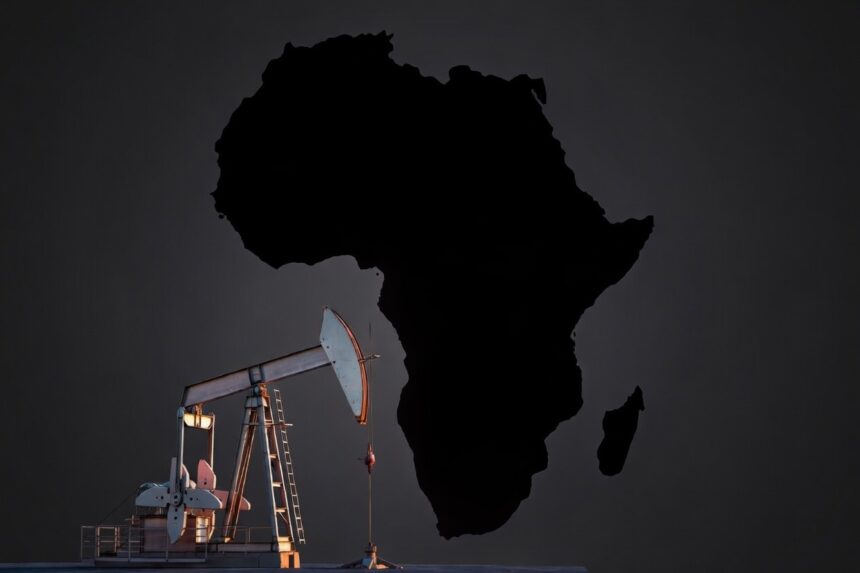
Studies point to growing economic risk for African states tied to fossil fuels.

Seth Onyango, OPA News Agency

African governments are facing growing fiscal pressure as new research shows that dependence on fossil fuels is leaving national budgets exposed to swings in global energy prices. 

A series of studies released by the Fossil Fuel Treaty Initiative examines six countries and finds that both exporters and importers are struggling to manage the financial impact of oil and gas.

The reports say that producers lose revenue quickly when prices fall, while importers face higher inflation and rising subsidy costs when prices rise. The findings suggest that the structure of many African economies makes them vulnerable to these shifts.

Dr Jessica Omukuti of the University of Oxford says the link between public finances and global markets is now a central concern. “When government revenues depend heavily on fossil fuels for exports, or import and depend on them for energy generation, then your public finances get tied to global commodity prices,” she says.

Nigeria is one of the countries most exposed. Oil has shaped its economy for decades, yet more than eighty million people still lack electricity. 

Theft, vandalism and falling output have reduced revenues. Dr Zainab Aliyu of Reimagine Change says the country must act while demand for oil remains steady. “For Nigeria, the question is no longer whether it should transition; it has become imperative. It is a fiscal survival strategy.”

Kenya generates most of its electricity from renewable sources but still spends heavily on imported fuel. Between 2021 and 2024, the government spent KSh169 billion (US$1.21 billion), to stabilise pump prices. 

Tracy Tunge of University College London says fossil fuel income is too small to ease the country’s debt burden. She notes that even at full output in the Turkana fields, “it would still take up to fifty to one hundred and thirty one years to repay the debt.”

Angola, Senegal and Tanzania face different pressures. Angola’s transition plans are slowed by political centralisation and reliance on foreign consultants. Senegal risks stranded assets after large investments in gas infrastructure. Tanzania could lock itself into long term fossil fuel dependence if a forty two billion dollar LNG project proceeds.

Across the continent, the reports highlight a gap between resource wealth and energy access. Africa has large reserves of oil and gas, yet around six hundred million people still lack electricity.

The studies recommend gradual subsidy reform, stronger fiscal planning and investment in sectors that can create more stable income. Renewable power, food processing, green manufacturing and digital services are identified as areas with strong growth potential.

The authors also say that domestic reforms will not be enough. Dr Amiera Sawas, head of research and policy at the Fossil Fuel Treaty Initiative, says countries will need international support to manage the shift. She argues that the proposed treaty could help unlock finance, technical assistance and debt relief.

The findings come as governments prepare for a second global meeting on the energy transition next year. The outcome report from the first conference, released during London Climate Action Week, shows growing interest in a coordinated approach to reducing fossil fuel dependence.

One Planet Agency 

Sign Up For Daily Newsletter

Be keep up! Get the latest breaking news delivered straight to your inbox.

By signing up, you agree to our Terms of Use and acknowledge the data practices in our Privacy Policy. You may unsubscribe at any time.
Seth Onyango June 24, 2026 June 24, 2026
Share This Article
Facebook Twitter Email Copy Link Print
What do you think?
Love0
Sad0
Happy0
Sleepy0
Angry0
Dead0
Wink0
Leave a comment Leave a comment

Leave a Reply Cancel reply

Your email address will not be published. Required fields are marked *

YOU MAY ALSO LIKE

Even the greenest countries fall short of net‑zero targets, new index shows

Estonia leads a table dominated by European countries, but researchers say even top performers are falling short of net-zero timelines.…

ClimateClimate NewsEnvironment
July 23, 2026

Africa’s great green wall has become a $33 billion test of climate ambition

Nearly two decades after the African Union launched one of the world's most ambitious land restoration schemes, the Great Green…

AfricaClimate NewsEnvironment
July 9, 2026

Lagos floods test Nigeria’s climate preparedness

Nigeria’s predicted flood season has barely begun, yet one day of heavy rain was enough to inundate parts of Lagos…

Climate News
July 1, 2026

Climate ‘sunshade’ may fail to protect large parts of the world’s oceans

Efforts to cool the planet with sunlightreflecting technologies may not shield much of the world’s oceans from dangerous heat, according…

Climate NewsOceans
June 22, 2026
We use our own and third-party cookies to improve our services, personalise your advertising and remember your preferences.
  • My Bookmark
  • Interests
  • Contact Us
  • Blog Index
  • Complaint
  • Advertise
  • Exclusives
  • Learn How
  • Support
  • Solutions
  • About Us
  • Terms And Conditions
  • Editorial Policy
  • Marketing Solutions
  • Industry Intelligence

Follow US: 

© 2025 One Planet Agency.  All rights reserved.

© 2025. All Rights Reserved. One Planet Agency
adbanner
AdBlock Detected
Our site is an advertising supported site. Please whitelist to support our site.
Okay, I'll Whitelist
Welcome Back!

Sign in to your account

Register Lost your password?