
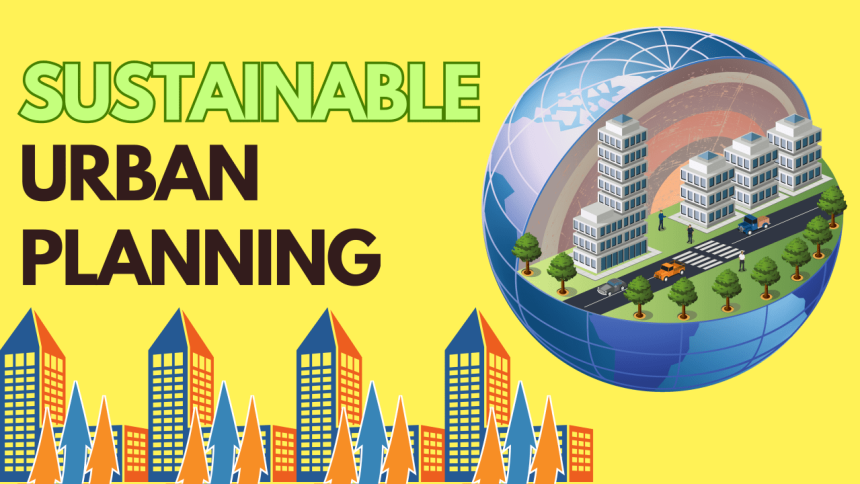
Urban planning plays a vital role in safeguarding human lives, biodiversity, and ecosystems. A clear, forward-thinking vision is essential for enhancing urban resilience, especially in the face of climate change, which can devastate livelihoods, damage infrastructure, and pose risks to human safety.
Reimagining urban areas requires a focus on ecosystem preservation, restoration, and building resilience within communities. These efforts should align with and support the urban development strategies of local and national governments.
A notable advancement in this direction is the launch of the Green & Resilient UrbanShift Africa forum, which introduced the Urban Planning Accelerator. This initiative aims to empower city leaders to integrate climate change considerations into their urban development plans, ensuring more sustainable and resilient cities.
Joe Muturi, President of Slum Dwellers International (SDI), emphasized that inclusion is a crucial step in addressing the gaps often observed in urban planning.
He highlighted that slum communities are frequently excluded from these discussions and stressed the importance of involving them in policymaking and implementation processes.
Muturi noted that formalizing informal settlements requires a multifaceted approach, particularly in addressing land tenure issues with sensitivity and an open mind. He emphasized the need to thoroughly understand the dynamics of informal settlements and identify best practices for addressing urban challenges.
“It is essential to examine areas like Machakos, Athi River, and Kiambu, as they are poised to become the next cities. However, they are currently lagging in planning for housing, drainage, and other critical infrastructure. As SDI, we collaborate with stakeholders to ensure future planning is seamless,” Muturi stated.
The discussion underscored the importance of incorporating informal settlements into city planning, particularly in terms of resource allocation, ecosystem preservation, housing, and resilience measures.
A people-centric approach is vital in developing plans that address the needs of urban dwellers and the challenges they face. This approach ensures that all residents, including those in informal settlements, are included and adequately catered to.
Muturi also stressed the need to amplify ongoing actions, discussions, and solutions that are proving effective. He expressed confidence that localizing these conversations would encourage more proactive measures in building resilience.
Climate change complexities were also highlighted, with city leaders noting that many citizens lack a clear understanding of the issue. They urged for increased dialogue between stakeholders and citizens to enhance understanding and drive collective action toward resilience-building.
Mirey Atellah, Chief of the Adaptation and Resilience Branch at UNEP, emphasized the availability of proven models and tools that demonstrate proactive measures. She pointed out that investing in green projects now can mitigate future shocks, rather than waiting to react to crises.
“In Dakar, Senegal, we are collaborating on implementing a Green Belt initiative. The focus is on ensuring flexibility and accommodating future development without compromising the ecosystem,” Atellah explained.
To reduce the likelihood of unprecedented challenges, development efforts must prioritize people-focused strategies. Community involvement is instrumental in simplifying climate change issues and enhancing understanding through participation in climate actions.
Deputy Mayor Zandile Myeni of Durban highlighted the importance of collaboration in addressing climate-related challenges.
“Our response to the floods in South Africa was significantly improved by working with stakeholders who were willing to take unified action. This made our response more seamless, impactful, and effective,” she said.
Myeni called for inclusive planning, urging all stakeholders to come together to develop and adhere to a unified plan. She acknowledged financial constraints but emphasized the importance of maximizing available resources to achieve meaningful outcomes.
“Climate change is inherently complex, making adaptation efforts difficult to pursue alone. Partnerships between institutions, stakeholders, and citizens are essential for effective on-the-ground actions,” she added.
Mirey Atellah further highlighted the need to reform financing mechanisms to improve cities’ access to funding, given their role as major income generators for the continent.
Dorah Modise, Regional Director for Africa at C40, concluded the session by advocating for collective action.
She emphasized that no one should be left behind, as inclusive participation is crucial for achieving impactful outcomes that foster resilience.
