
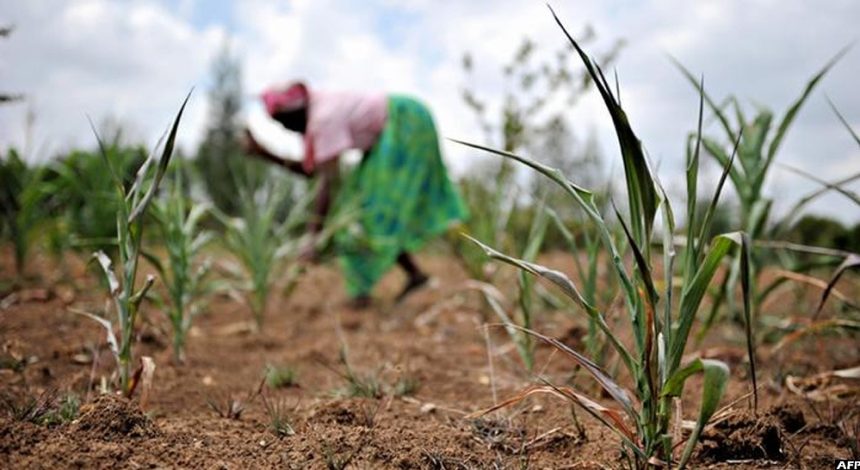
On a small farm in Machakos, Kenya, Mary Wanjiru looks over her sun-scorched maize field giving us a look into the plights of Africa’s farmers. The rains came late, and when they did, they were unpredictable—too much in some areas, too little in others. For years, she has relied on traditional farming methods, but lately, her yields have dropped significantly.
“Climate change is making farming impossible. We used to rely on the March-April rains, but now they are erratic. Sometimes, we plant and lose everything,” she says.
Mary’s story is not unique. Across Africa, farmers are grappling with unpredictable weather patterns that threaten their livelihoods. Now, new research published in CABI Reviews confirms their fears—Africa is warming at an alarming rate.
According to the study, all five African subregions will breach the 1.5°C global warming threshold by 2040, even under low-emission scenarios. Despite contributing less than 4% of global greenhouse gas emissions, Africa is bearing the brunt of climate change, particularly in agriculture-dependent communities.
“The 1.5°C threshold is no longer a distant threat. It will happen in our lifetime, and African farmers will be hit the hardest,” says Professor Paul Mapfumo, Vice Chancellor of the University of Zimbabwe and lead author of the study.
The research highlights that Africa’s temperatures are rising at twice the global average, making the continent exceptionally vulnerable. Current adaptation measures are proving insufficient, with Africa’s farmers- smallholders facing the greatest risks due to limited access to resources and technology.
“Neither the existing nor planned adaptation mechanisms are comprehensive enough to match the novel climate conditions we are facing,” adds Prof. Mapfumo.
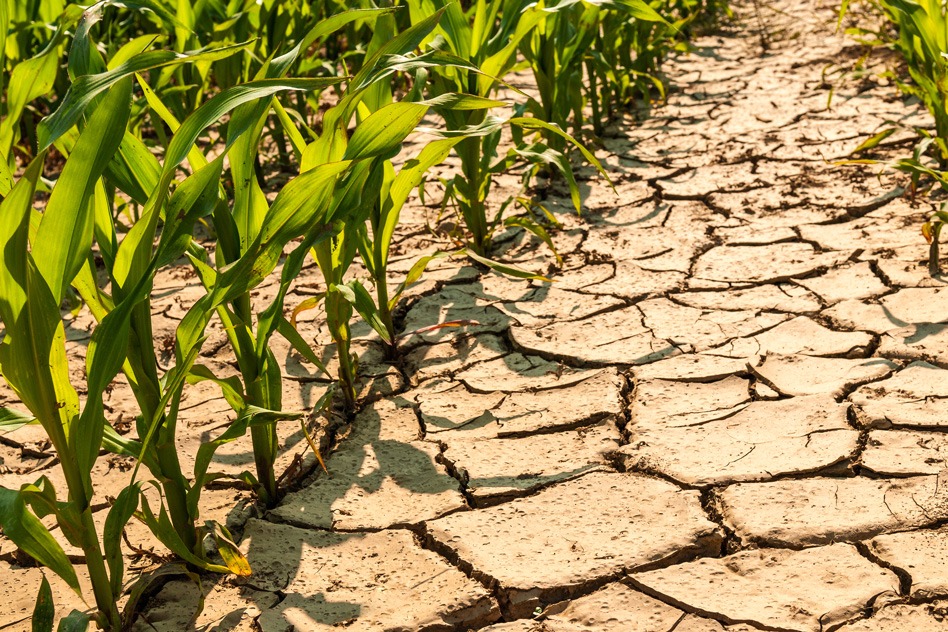
The Urgent Need for a Just Transition Safeguarding Africa’s Farmers
Experts emphasize that Africa needs a just transition to climate-resilient agriculture—one that is inclusive, fair, and sustainable. Without action, reduced crop yields will threaten millions, worsening food insecurity across the continent.
Agriculture, which employs over 60% of Africa’s workforce, faces severe disruptions, leading to economic instability and loss of livelihoods. Additionally, climate change will deepen social inequalities, with women and marginalized communities suffering the most due to restricted access to adaptation resources.
“We are already seeing climate-driven conflicts over resources, particularly water and arable land,” warns Dr. Jane Kamau, an agronomist with ILRI. “If we don’t transition now, we are looking at widespread displacement and deeper poverty across the continent.”
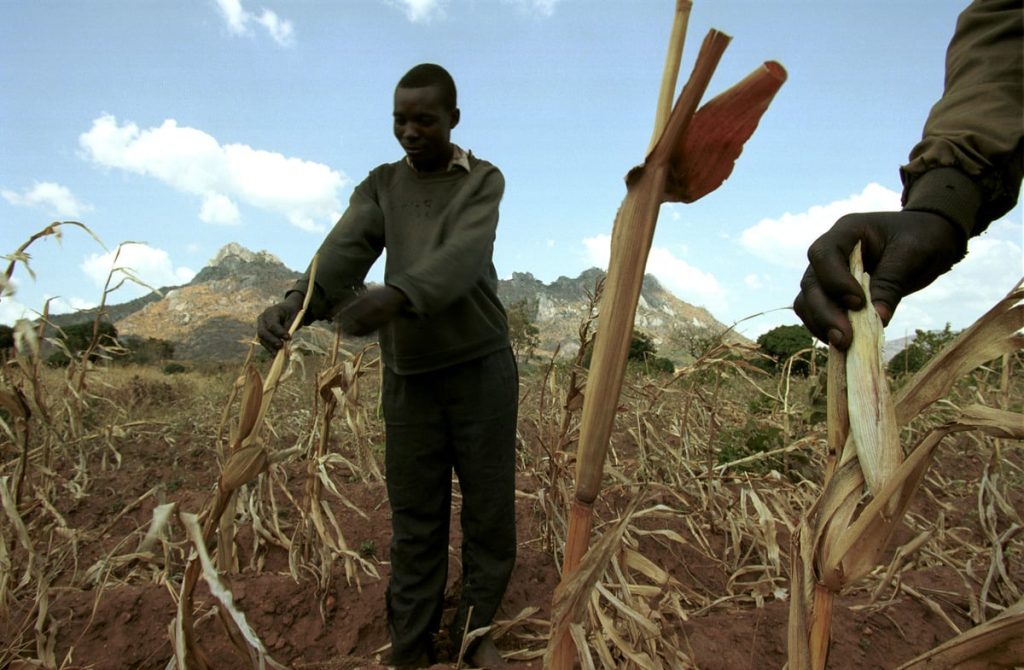
To secure Africa’s agricultural future, policymakers and investors must take decisive action. The study outlines key priorities for a just transition, including:
- Climate-proofing crops, livestock, and fisheries to withstand extreme weather.
- Regenerating soil health and restoring degraded land to boost productivity.
- Funding science, technology, and green innovation to modernize agriculture.
- Improving access to climate finance to help smallholder farmers adapt.
- Integrating indigenous knowledge and agroecology for sustainable farming practices.
Some solutions are already showing promise. In Malawi, climate-smart irrigation systems have helped farmers increase yields despite prolonged droughts. Similar initiatives across the continent could safeguard Africa’s food supply while reducing vulnerability to climate shocks.
The Time to Act is Now
The African Group of Negotiators Experts Support (AGNES), which funded the study, is pushing for climate adaptation funds tailored to Africa’s farmers unique challenges. While Africa may not be the biggest polluter, it is one of the most vulnerable regions.
Mary Wanjiru and millions of African farmers cannot afford to wait for global climate action.
“We are not asking for aid; we are asking for fair investment in our future,” says Dr. Kamau. “A just transition is about empowering African farmers to thrive despite climate change.”
The time to act is now. African governments must lead the way in securing climate adaptation funds, while global investors must recognize that Africa’s agricultural future is not just an African issue—it is a global food security issue.
