One Planet AgencyOne Planet AgencyOne Planet Agency
  • Home
  • Climate News
    • Politics
    • Justice
    • Finance
    • Business
    • Nature
    • Science
    • Carbon Markets
    • Explainers
    • Series
    • All news
  • Climate Tech
    • AI and climate
    • Campaigns
    • Companies
    • Innovations
    • Science
    • Training
  • Green Markets
  • People & Voices
    • Interviews
    • Opinion
    • Women
    • Guest Writers
  • Energy
  • Deep Dives
    • Investigate
    • Expert Opinion
    • Analysis
  • Multimedia
    • Pictures
    • Videos
    • Podcast
Reading: The Domino Effect: How the U.S. Fossil Fuel Surge is Undermining Global Climate Goals
Share
Notification Show More
Font ResizerAa
Font ResizerAa
One Planet AgencyOne Planet Agency
  • Home
  • Climate News
  • Climate Tech
  • Green Markets
  • People & Voices
  • Energy
  • Deep Dives
  • Multimedia
  • Home
  • Climate News
    • Politics
    • Justice
    • Finance
    • Business
    • Nature
    • Science
    • Carbon Markets
    • Explainers
    • Series
    • All news
  • Climate Tech
    • AI and climate
    • Campaigns
    • Companies
    • Innovations
    • Science
    • Training
  • Green Markets
  • People & Voices
    • Interviews
    • Opinion
    • Women
    • Guest Writers
  • Energy
  • Deep Dives
    • Investigate
    • Expert Opinion
    • Analysis
  • Multimedia
    • Pictures
    • Videos
    • Podcast
Have an existing account? Sign In
Follow US
One Planet Agency > Blog > Electric Vehicles > The Domino Effect: How the U.S. Fossil Fuel Surge is Undermining Global Climate Goals
Electric VehiclesEnergyEnergy

The Domino Effect: How the U.S. Fossil Fuel Surge is Undermining Global Climate Goals

By Victor Okeyo Last updated: January 21, 2026 4 Min Read
Share
fossil fuel

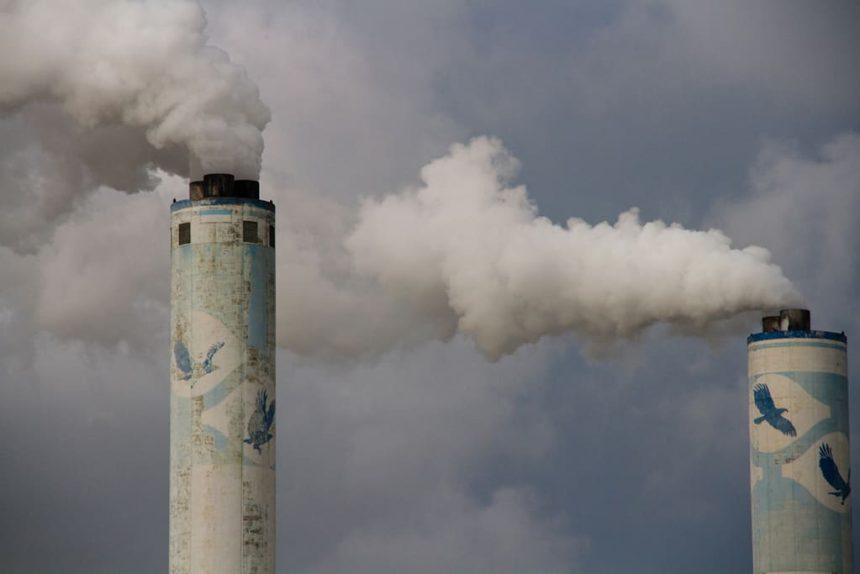
The decision of the United States to withdraw from the Paris Agreement and increase the drilling of fossil fuel aimed at doubling its use is having a rippling effect around the globe.

Barely a year after COP28 when delegates reached an agreement signaling the “beginning of the end” of the fossil fuel era, laying the groundwork for a swift, just, and equitable transition to green energy, countries have hinted at following the US, further impacting the growth of clean energy transition while burning of fossil fuels continues to rise.

Nithi Nesadurai, director of Climate Action Network Southeast Asia, said “The richest country and the largest oil producer in the world increasing its production gives other states an easy excuse to increase their own, which they are already doing.”

For instance, Indonesia which has remained in the list of top 10 carbon-emitting countries has hinted at following the US. During the ESG Sustainable Forum 2025 in Jakarta on 31 January, Hashim Djojohadikusumo, special envoy for climate change and energy of Indonesia asked, “Indonesia produces three tons of carbon [per person a year] while the US produces 13 tons, yet we are the ones being told to close our power plants… So, where is the sense of justice here?”

 He further added that if the US was not complying with the Paris Agreement, there was no need for Indonesia to do so either.

In South Africa, the continent’s largest economy and a significant carbon emitter, an $8.5 billion foreign-funded initiative aimed at transitioning away from coal was already progressing sluggishly. Now, concerns are mounting that the project could face even greater setbacks.

According to Wikus Kruger, director of the Power Futures Lab at the University of Cape Town, there is a “possibility” that the retirement of aging coal-fired power plants may be postponed even further.

Recently, Norwegian energy giant Equinor announced that it is halving investment in renewable energy over the next two years while increasing oil and gas production.

“We are scaling down our investments in renewables and low carbon solutions because we don’t see the necessary profitability in the future,” Chief Executive Anders Opedal.

It will cut investments in renewables to $5bn over the next two years, down from about $10bn.

At the conclusion of Indian Prime Minister Narendra Modi’s visit to the U.S. on February 14, both nations released a joint statement reaffirming that the U.S. would remain a key supplier of crude oil, petroleum products, and liquefied natural gas (LNG) to India.

Shortly after Donald Trump took office, South Korea—the world’s third-largest LNG importer—indicated its intention to increase purchases of American fossil fuel oil and gas. This move, reported by international media from Seoul, is seen as an effort to reduce its trade surplus with the U.S. while enhancing energy security.

Meanwhile, officials from Japan’s largest power producer, JERA, told Reuters that they also plan to boost LNG imports from the U.S. to diversify their supply, as half of their current imports come from the Asia-Pacific region.

However, Scientists have said there can be no new fossil fuel extraction and there needs to be a rapid reduction of carbon emissions (around 45% by 2030 from the 2019 level) if the world is to limit warming to 1.5 Celsius compared to the pre-industrial period.

TAGGED: PA, Paris Agreement, US

Sign Up For Daily Newsletter

Be keep up! Get the latest breaking news delivered straight to your inbox.

By signing up, you agree to our Terms of Use and acknowledge the data practices in our Privacy Policy. You may unsubscribe at any time.
Victor Okeyo January 21, 2026 February 26, 2025
Share This Article
Facebook Twitter Email Copy Link Print
What do you think?
Love0
Sad0
Happy0
Sleepy0
Angry0
Dead0
Wink0
Leave a comment Leave a comment

Leave a Reply Cancel reply

Your email address will not be published. Required fields are marked *

YOU MAY ALSO LIKE

Will cheap EVs from China wean Kenya off its second‑hand car dependence?

There is appetite for Chinese EVs but sparse charging infrastructure and taxes still discourage adoption. Seth Onyango and Derrick Opar,…

Climate NewsEast AfricaEnergyTechnology
April 15, 2026

Oil shock from Iran crisis clouds global shift to clean energy

Rising oil market turmoil linked to the Iran crisis is threatening to slow the global shift to renewable energy, as…

All newsClimateClimate NewsElectric VehiclesEnergyEnergyEnvironment
April 2, 2026

Kenyan manufacturers ramp up efficiency under stricter rules

Kenyan manufacturers are moving fast to cut waste and sharpen efficiency as tighter rules take hold. Officials say the changes…

Climate NewsEast AfricaEnergy
March 9, 2026

How African governments are adjusting to shocks from the war on Iran

The immediate policy response across much of Africa is likely to focus on fiscal containment and debt management. Derrick Opar,…

Climate NewsEnergy
March 5, 2026
We use our own and third-party cookies to improve our services, personalise your advertising and remember your preferences.
  • My Bookmark
  • Interests
  • Contact Us
  • Blog Index
  • Complaint
  • Advertise
  • Exclusives
  • Learn How
  • Support
  • Solutions
  • About Us
  • Terms And Conditions
  • Editorial Policy
  • Marketing Solutions
  • Industry Intelligence

Follow US: 

© 2025 One Planet Agency.  All rights reserved.

© 2025. All Rights Reserved. One Planet Agency
adbanner
AdBlock Detected
Our site is an advertising supported site. Please whitelist to support our site.
Okay, I'll Whitelist
Welcome Back!

Sign in to your account

Register Lost your password?