One Planet AgencyOne Planet AgencyOne Planet Agency
  • Home
  • Climate News
    • Politics
    • Justice
    • Finance
    • Business
    • Nature
    • Science
    • Carbon Markets
    • Explainers
    • Series
    • All news
  • Climate Tech
    • AI and climate
    • Campaigns
    • Companies
    • Innovations
    • Science
    • Training
  • Green Markets
  • People & Voices
    • Interviews
    • Opinion
    • Women
    • Guest Writers
  • Energy
  • Deep Dives
    • Investigate
    • Expert Opinion
    • Analysis
  • Multimedia
    • Pictures
    • Videos
    • Podcast
Reading: UN Approves First Global Carbon Credit Standard Under Paris Agreement
Share
Notification Show More
Font ResizerAa
Font ResizerAa
One Planet AgencyOne Planet Agency
  • Home
  • Climate News
  • Climate Tech
  • Green Markets
  • People & Voices
  • Energy
  • Deep Dives
  • Multimedia
  • Home
  • Climate News
    • Politics
    • Justice
    • Finance
    • Business
    • Nature
    • Science
    • Carbon Markets
    • Explainers
    • Series
    • All news
  • Climate Tech
    • AI and climate
    • Campaigns
    • Companies
    • Innovations
    • Science
    • Training
  • Green Markets
  • People & Voices
    • Interviews
    • Opinion
    • Women
    • Guest Writers
  • Energy
  • Deep Dives
    • Investigate
    • Expert Opinion
    • Analysis
  • Multimedia
    • Pictures
    • Videos
    • Podcast
Have an existing account? Sign In
Follow US
One Planet Agency > Blog > Electric Vehicles > UN Approves First Global Carbon Credit Standard Under Paris Agreement
Electric VehiclesEnergyEnergy

UN Approves First Global Carbon Credit Standard Under Paris Agreement

By Editorial Desk Last updated: January 21, 2026 2 Min Read
Share

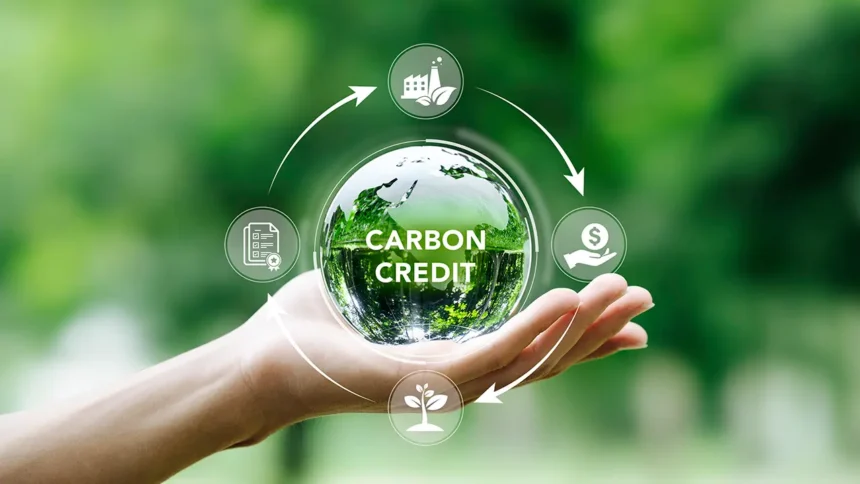
In a move set to revolutionize the carbon credits markets globally, a United Nations panel has approved the first methodology under Article 6.4 of the Paris Agreement, which will help countries and companies offset emissions under one global standard.

The new system, Article 6.4, also known as the Paris Agreement Crediting Mechanism (PACM), ensures that carbon credits come from verifiable emissions cuts, replacing the old Clean Development Mechanism (CDM) from the Kyoto protocol.

This is the first method approved since the UNFCCC Supervisory body met in mid-October 2025 to review new market methods, and it supports renewable energy projects, especially small wind and solar developments in developing countries.

What Article 6.4 Means

Part of the Paris Agreement’s cooperation plan, Article 6.4 lets one country fund emission reduction projects in another country and count those reductions toward its own climate goals. 

The system aims to:

  • Stop double-counting of emission reductions.
  • Improve transparency through strict monitoring.
  • Build trust between developing and developed nations.

If implemented effectively, the mechanism could unlock significant economic and environmental benefits.

According to the World Bank estimations, Nationally Determined Contributions cooperation could cut up to 5 billion tonnes of emissions annually by 2030 and could also unlock around $250 billion in climate finance each year, giving investors a clear way to support credible carbon projects.

Until now, discussions around Article 6.4 have focused mainly on rules and design. The panel’s decision moves the system from theory to action. It shows that global carbon trading is ready to begin.

Experts predict global demand for carbon credits could reach 2 billion tons by 2030, and as high as 13 billion tons by 2050. The UN aims to ensure that only verified, high-quality credits enter this fast-growing market.

Read Also: Carbon Credits: A Green Conversation

TAGGED: carbon credits

Sign Up For Daily Newsletter

Be keep up! Get the latest breaking news delivered straight to your inbox.

By signing up, you agree to our Terms of Use and acknowledge the data practices in our Privacy Policy. You may unsubscribe at any time.
Editorial Desk January 21, 2026 October 22, 2025
Share This Article
Facebook Twitter Email Copy Link Print
What do you think?
Love0
Sad0
Happy0
Sleepy0
Angry0
Dead0
Wink0
Leave a comment Leave a comment

Leave a Reply Cancel reply

Your email address will not be published. Required fields are marked *

YOU MAY ALSO LIKE

Will cheap EVs from China wean Kenya off its second‑hand car dependence?

There is appetite for Chinese EVs but sparse charging infrastructure and taxes still discourage adoption. Seth Onyango and Derrick Opar,…

Climate NewsEast AfricaEnergyTechnology
April 15, 2026

Oil shock from Iran crisis clouds global shift to clean energy

Rising oil market turmoil linked to the Iran crisis is threatening to slow the global shift to renewable energy, as…

All newsClimateClimate NewsElectric VehiclesEnergyEnergyEnvironment
April 2, 2026

Kenyan manufacturers ramp up efficiency under stricter rules

Kenyan manufacturers are moving fast to cut waste and sharpen efficiency as tighter rules take hold. Officials say the changes…

Climate NewsEast AfricaEnergy
March 9, 2026

How African governments are adjusting to shocks from the war on Iran

The immediate policy response across much of Africa is likely to focus on fiscal containment and debt management. Derrick Opar,…

Climate NewsEnergy
March 5, 2026
We use our own and third-party cookies to improve our services, personalise your advertising and remember your preferences.
  • My Bookmark
  • Interests
  • Contact Us
  • Blog Index
  • Complaint
  • Advertise
  • Exclusives
  • Learn How
  • Support
  • Solutions
  • About Us
  • Terms And Conditions
  • Editorial Policy
  • Marketing Solutions
  • Industry Intelligence

Follow US: 

© 2025 One Planet Agency.  All rights reserved.

© 2025. All Rights Reserved. One Planet Agency
adbanner
AdBlock Detected
Our site is an advertising supported site. Please whitelist to support our site.
Okay, I'll Whitelist
Welcome Back!

Sign in to your account

Register Lost your password?