One Planet AgencyOne Planet AgencyOne Planet Agency
  • Home
  • Climate News
    • Politics
    • Justice
    • Finance
    • Business
    • Nature
    • Science
    • Carbon Markets
    • Explainers
    • Series
    • All news
  • Climate Tech
    • AI and climate
    • Campaigns
    • Companies
    • Innovations
    • Science
    • Training
  • Green Markets
  • People & Voices
    • Interviews
    • Opinion
    • Women
    • Guest Writers
  • Energy
  • Deep Dives
    • Investigate
    • Expert Opinion
    • Analysis
  • Multimedia
    • Pictures
    • Videos
    • Podcast
Reading: UN Secretary-General Urges World to Strengthen Early Warnings
Share
Notification Show More
Font ResizerAa
Font ResizerAa
One Planet AgencyOne Planet Agency
  • Home
  • Climate News
  • Climate Tech
  • Green Markets
  • People & Voices
  • Energy
  • Deep Dives
  • Multimedia
  • Home
  • Climate News
    • Politics
    • Justice
    • Finance
    • Business
    • Nature
    • Science
    • Carbon Markets
    • Explainers
    • Series
    • All news
  • Climate Tech
    • AI and climate
    • Campaigns
    • Companies
    • Innovations
    • Science
    • Training
  • Green Markets
  • People & Voices
    • Interviews
    • Opinion
    • Women
    • Guest Writers
  • Energy
  • Deep Dives
    • Investigate
    • Expert Opinion
    • Analysis
  • Multimedia
    • Pictures
    • Videos
    • Podcast
Have an existing account? Sign In
Follow US
One Planet Agency > Blog > Climate News > UN Secretary-General Urges World to Strengthen Early Warnings
Climate News

UN Secretary-General Urges World to Strengthen Early Warnings

By Editorial Desk Last updated: January 22, 2026 4 Min Read
Share
early warnings

Antonio Guterres calls for rapid acceleration of the “Early Warnings for All” initiative, framing the World Meteorological Organization as a vital “barometer of truth” in a climate-disrupted world.

The realities of climate change, though highly contested, with corporate chiefs and institutions rejecting its urgency, who speak in seeking a balance or inclusion, yet the most vulnerable are critically affected by climate shocks.

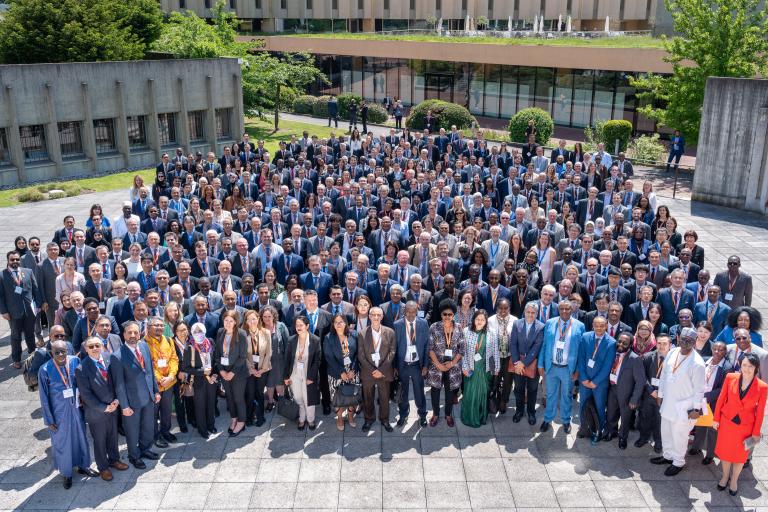
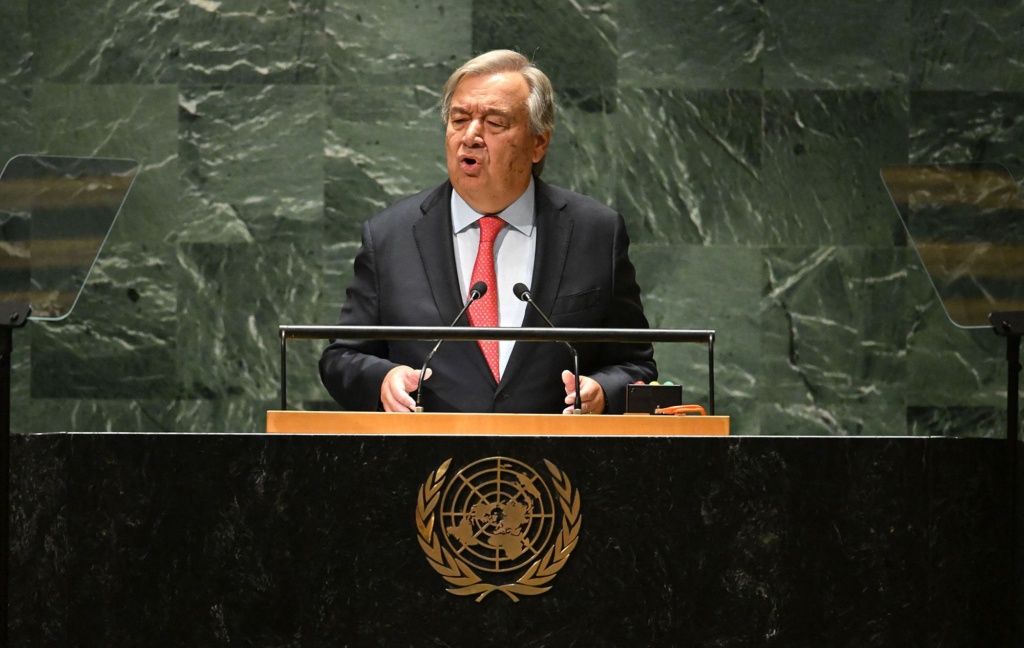
No nation is immune to the escalating devastation of extreme weather, United Nations Secretary-General António Guterres declared during the World Meteorological Organization (WMO) Congress.

In a historic first address to the body, he issued a powerful call for a global surge in early warning systems to protect lives and economies.

Speaking at an event celebrating WMO’s 75th anniversary as a UN specialized agency, Mr. Guterres hailed the organization as “a barometer of truth,” a credible and clear-eyed source of data about the planet we share.

“Without your rigorous modeling and forecasting, we would not know what lies ahead, or how to prepare for it,” he told a packed conference chamber. “Without your long-term monitoring, we wouldn’t benefit from the warnings that protect communities and save millions of lives and billions of dollars each year.”

The Congress marks the halfway point for the Early Warnings for All Initiative, launched by Mr. Guterres in 2022 to cover everyone on Earth by the end of 2027.

Echoing the Secretary-General’s urgency, WMO Secretary-General Celeste Saulo issued a compelling Call to Action to accelerate progress. “We gather at a time when our mission has never been more critical,” Professor Saulo stated.

“This is not only a moment of challenge, it is a profound opportunity to harness climate intelligence and technology to build a more resilient future. We must scale up multi-hazard early warnings, empower National Meteorological Services, expand observing networks, and broaden the tent to ensure we leave nobody behind,” said Saulo.

The need is stark. Over the past 50 years, weather, water, and climate-related disasters have claimed over two million lives, with 90% of these deaths occurring in developing countries. The economic toll is soaring as weather extremes intensify.

Progress Made, Gaps Remain

Significant strides have been achieved. As of 2024, 108 countries report having some capacity for multi-hazard early warning systems, more than double the number in 2015.

However, the consequences of inaction are severe. Disaster mortality is six times higher, and the number of people affected is four times higher, in countries with limited early warning coverage.
early warnings
United Nations Secretary-General António Guterres declared during the World Meteorological Organization (WMO

To achieve the 2027 target, Mr. Guterres outlined three critical priorities:

  1. Integration: Governments must embed early-warning systems into all national policies, institutions, and budgets.
  2. Finance: A major surge in funding is required, including eased debt burdens for developing countries and reforms to the global financial architecture.
  3. Climate Action: Countries must present bold new national climate plans aligned with the 1.5°C temperature goal, including a full embrace of renewable energy.

WMO President Abdulla al Mandous welcomed Mr. Guterres, praising his leadership. “Thanks to your unwavering advocacy, early warnings are now recognized at the highest levels as cost-effective, life-saving solutions that advance sustainable development,” he said.

The high-level dialogue also featured presidents of WMO’s regional associations and top representatives from the initiative’s core partners: the UN Office for Disaster Risk Reduction (UNDRR), the International Telecommunication Union (ITU), and the International Federation of Red Cross and Red Crescent Societies (IFRC).

Sign Up For Daily Newsletter

Be keep up! Get the latest breaking news delivered straight to your inbox.

By signing up, you agree to our Terms of Use and acknowledge the data practices in our Privacy Policy. You may unsubscribe at any time.
Editorial Desk January 22, 2026 November 4, 2025
Share This Article
Facebook Twitter Email Copy Link Print
What do you think?
Love0
Sad0
Happy0
Sleepy0
Angry0
Dead0
Wink0
Leave a comment Leave a comment

Leave a Reply Cancel reply

Your email address will not be published. Required fields are marked *

YOU MAY ALSO LIKE

The future of waste management depends on people not machines

The most powerful climate technology in the waste sector isn’t a machine but a person separating their waste, and a…

Climate NewsEnvironment
May 25, 2026

Experts urge WHO to declare climate crisis a global health emergency

The climate crisis has no patient zero and no vaccine. A growing group of experts says that is exactly why…

ClimateClimate JusticeClimate News
May 19, 2026

East Africa braces for extreme rainfall and flooding as signs point to return of El Niño

A fresh El Niño is forming and East Africa is bracing for the familiar mix of heavy rain and fragile…

Climate News
May 11, 2026

Liberia steps up carbon market push with national data system plan

The country is betting that better climate bookkeeping could unlock international finance and a place in the booming global carbon…

Carbon MarketsClimate NewsEnvironmentFinance
May 8, 2026
We use our own and third-party cookies to improve our services, personalise your advertising and remember your preferences.
  • My Bookmark
  • Interests
  • Contact Us
  • Blog Index
  • Complaint
  • Advertise
  • Exclusives
  • Learn How
  • Support
  • Solutions
  • About Us
  • Terms And Conditions
  • Editorial Policy
  • Marketing Solutions
  • Industry Intelligence

Follow US: 

© 2025 One Planet Agency.  All rights reserved.

© 2025. All Rights Reserved. One Planet Agency
adbanner
AdBlock Detected
Our site is an advertising supported site. Please whitelist to support our site.
Okay, I'll Whitelist
Welcome Back!

Sign in to your account

Register Lost your password?