
How Latin America and the Caribbean Are Paying the Price of Glaciers Melting
Glaciers are disappearing at an alarming rate due to rising global temperatures. Data shows that 2024 was among the warmest years on record, further accelerating glacial melt. These ice formations are crucial sources of freshwater for many regions, and their rapid decline poses severe consequences.
As temperatures continue to rise, glaciers in South America, vital water sources for millions, are retreating at an unprecedented pace. This trend is particularly concerning given the essential role freshwater plays in sustaining ecosystems and communities.
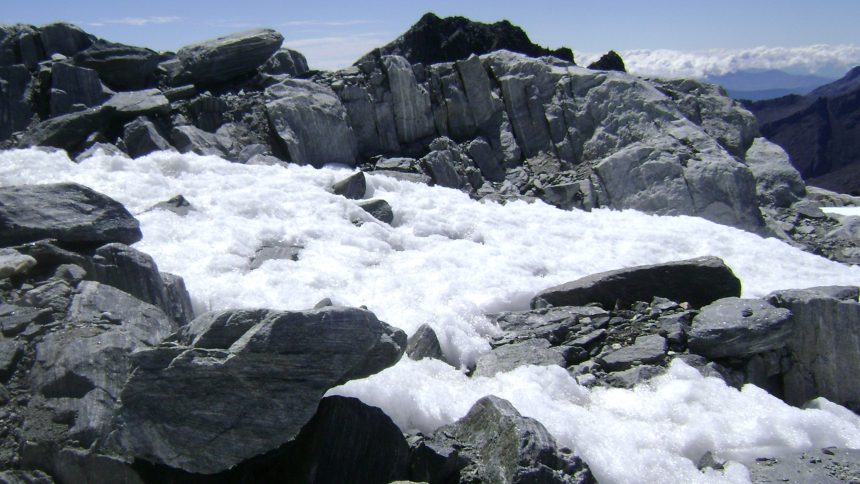
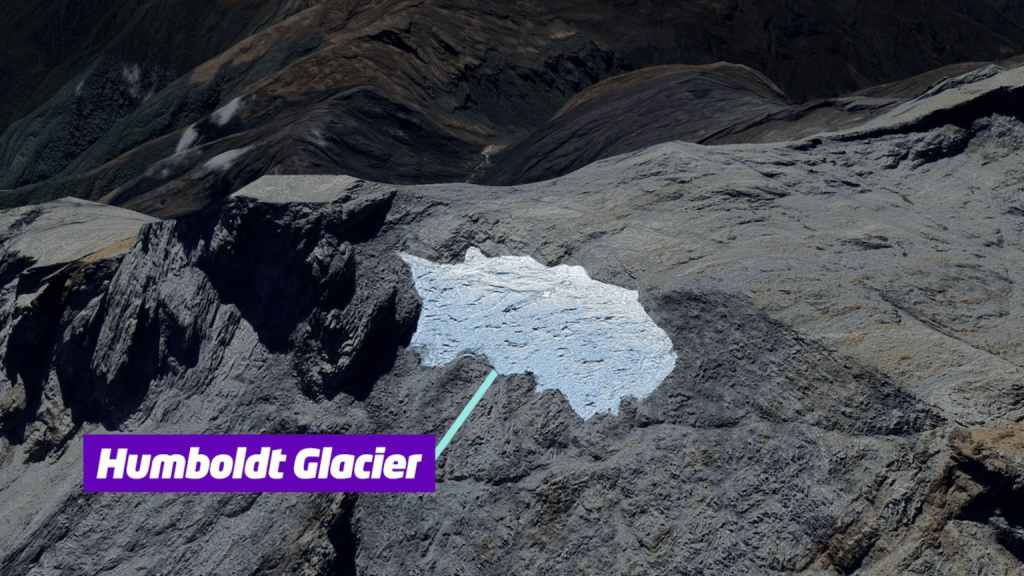
One of the most striking examples is Venezuela’s Humboldt Glacier, which has completely vanished, making the country only the second in the world, after Slovenia, to lose all its glaciers in modern times.
A report by the World Meteorological Organization (WMO) highlights the severe climate-related disasters affecting Latin America and the Caribbean in 2024, including record-breaking hurricanes, wildfires, droughts, and devastating floods. The State of the Climate for Latin America and the Caribbean 2024 underscores the increasing toll of extreme weather on lives, livelihoods, and food supply chains in a region already grappling with poverty and insecurity.
Data from 5,500 glaciers across the Andes indicates a 25% loss in ice coverage since the late 19th century, with tropical glaciers melting ten times faster than the global average. In 2024, the Conejeras Glacier in Colombia’s Sierra Nevada and the Martial South Glacier in Argentina’s Cordon Martial were officially declared extinct.
The melting of glaciers, combined with ocean warming, is accelerating sea level rise, increasing the vulnerability of coastal communities and low-lying Caribbean nations to extreme weather events such as hurricanes.
According to WMO Secretary-General Celeste Saulo, climate-related impacts in 2024 stretched from the Andes to the Amazon, affecting urban and coastal populations alike.
“Drought and extreme heat fueled devastating wildfires. Exceptional rainfall triggered unprecedented flooding, and we saw the earliest Category 5 hurricane on record,” Saulo stated.
The report was released during a WMO Regional Association meeting in El Salvador, aimed at informing policy decisions on climate change mitigation, adaptation, and risk management. Accompanying the report was an interactive story map and an extreme events dashboard, which complement the WMO State of the Global Climate report. Contributions came from the National Meteorological and Hydrological Services (NMHS), the UN, regional partners, researchers, and experts.
WMO has been proactive in supporting technological advancements and enhancing NMHS capacity to provide science-based climate services in collaboration with academia, the private sector, and energy stakeholders.
The unprecedented climate disasters of 2024 included wildfires in the Amazon, Pantanal, central Chile, Mexico, and Belize—exacerbated by drought and extreme heatwaves. Chile experienced its deadliest wildfires in history, with over 130 fatalities, marking its worst disaster since the 2010 earthquake.
Flooding in Rio Grande do Sul, Brazil, triggered by heavy rainfall, became the country’s worst climate-related disaster. The agricultural sector suffered economic losses of approximately 8.5 billion Brazilian reais. While timely warnings and evacuations reduced the impact, over 180 lives were lost, highlighting the urgent need for improved disaster risk awareness and preparedness.
Despite these challenges, Saulo expressed hope, emphasizing the critical role of technology and early warning systems.
“The adoption of climate services from NMHSs is saving lives and increasing resilience across Latin America and the Caribbean. The work of the WMO community and our partners is more important than ever to address these challenges and seize opportunities,” he affirmed.
The rapid melting of glaciers in Latin America and the Caribbean is a stark reminder of the worsening climate crisis. As ice loss accelerates, communities face severe water shortages, rising sea levels, and increasingly extreme weather events.
However, with proactive measures such as enhanced early warning systems, climate adaptation strategies, and stronger regional cooperation, some of these impacts can be mitigated. The urgent need for global climate action cannot be overstated. Protecting these vital ecosystems requires a collective commitment to sustainability, innovation, and resilience-building efforts.
