One Planet AgencyOne Planet AgencyOne Planet Agency
  • Home
  • Climate News
    • Politics
    • Justice
    • Finance
    • Business
    • Nature
    • Science
    • Carbon Markets
    • Explainers
    • Series
    • All news
  • Climate Tech
    • AI and climate
    • Campaigns
    • Companies
    • Innovations
    • Science
    • Training
  • Green Markets
  • People & Voices
    • Interviews
    • Opinion
    • Women
    • Guest Writers
  • Energy
  • Deep Dives
    • Investigate
    • Expert Opinion
    • Analysis
  • Multimedia
    • Pictures
    • Videos
    • Podcast
Reading: “Africa First” Vision Must Evolve into a “Country First” Approach
Share
Notification Show More
Font ResizerAa
Font ResizerAa
One Planet AgencyOne Planet Agency
  • Home
  • Climate News
  • Climate Tech
  • Green Markets
  • People & Voices
  • Energy
  • Deep Dives
  • Multimedia
  • Home
  • Climate News
    • Politics
    • Justice
    • Finance
    • Business
    • Nature
    • Science
    • Carbon Markets
    • Explainers
    • Series
    • All news
  • Climate Tech
    • AI and climate
    • Campaigns
    • Companies
    • Innovations
    • Science
    • Training
  • Green Markets
  • People & Voices
    • Interviews
    • Opinion
    • Women
    • Guest Writers
  • Energy
  • Deep Dives
    • Investigate
    • Expert Opinion
    • Analysis
  • Multimedia
    • Pictures
    • Videos
    • Podcast
Have an existing account? Sign In
Follow US
One Planet Agency > Blog > Electric Vehicles > “Africa First” Vision Must Evolve into a “Country First” Approach
Electric VehiclesEnergyEnergy

“Africa First” Vision Must Evolve into a “Country First” Approach

By Marcus Kiprop Last updated: January 21, 2026 4 Min Read
Share
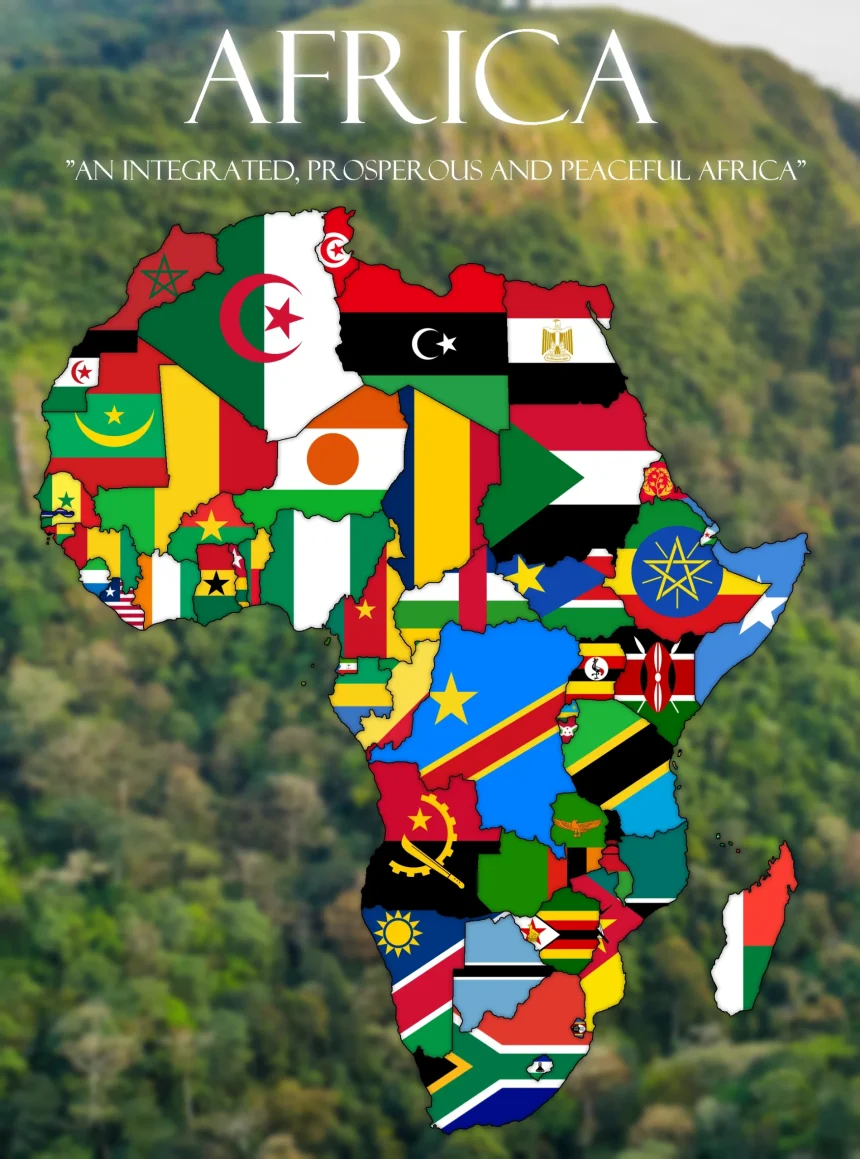
Africa First

As global geopolitical dynamics continue to take unpredictable and complex turns, Africa stands at a pivotal moment in defining its development trajectory “Africa First” for the 21st century and beyond. The continent is uniquely positioned, blessed with vast natural resources, a young, energetic, and innovative population, and over 60% of the world’s arable land. These advantages provide a strong foundation for growth and transformation.

The global community, recognizing the urgent need to address pressing issues such as climate change, has increasingly shifted toward adopting green and renewable energy solutions. This transition aims to reduce greenhouse gas emissions, largely driven by human activities (anthropogenic factors). Africa, home to critical minerals like lithium, cobalt, manganese, and nickel essential for the clean energy revolution finds itself at a challenging yet transformative juncture.

A recent report by the Tony Blair Institute (TBI), titled “Africa First”: A New Vision for Africa’s Growth and US Engagement, highlights how the “America First” approach of the Donald Trump administration has reshaped global relations. The report emphasizes that Africa can draw lessons from this model by prioritizing domestic processing and refining industries. Such a strategy would enhance economic value, create jobs, and accelerate industrialization.

The TBI report underscores that an “Africa First” approach requires African leaders to prioritize homegrown solutions, strengthen intra-African collaboration, and ensure that external partnerships align with their countries’ growth and development visions.

It also notes that the terms of engagement in trade, aid, and geopolitics have shifted unpredictably. However, Africa is well-equipped to navigate these changes and emerge as a powerful force on the global stage.

Ronald Osumba, Senior Political Advisor at the Tony Blair Institute for Global Change, emphasizes that this is a moment for bold leadership and a united commitment to self-reliance. Africa must seize this opportunity to shape its future and assert its role in global affairs.

With its abundant resources and youthful population, Africa has the potential to lead the green industrial revolution by investing in renewable energy and clean-tech industries. This would align economic growth with environmental sustainability, positioning the continent as a key player in the global transition to a greener future.

“Africa’s leaders must urgently embrace an Africa First agenda—one that prioritizes the continent’s interests and economic transformation,” Osumba stated.

Implementing the African Continental Free Trade Area (AfCFTA) further reinforces this vision. By creating the world’s largest free-trade bloc, the AfCFTA will significantly reshape Africa’s economy. This initiative will unite the continent’s diverse cultures, indigenous foods, and lifestyles, fostering a sense of unity reminiscent of the “Wakanda” ideal.

The removal of trade barriers and the introduction of affordable tariffs will unlock unparalleled opportunities for industrialization. Africa’s greatest asset its young population can be empowered through investments in education and skills development.

By nurturing talent in areas such as artificial intelligence, cybersecurity, and advanced computing, the continent can build a robust digital economy that drives sustainable growth.

In conclusion, this approach emphasizes what Kwame Nkrumah had earlier said: “Many people want to pull us into a conversation as to whether we are facing East or we are facing West. Let me tell you, we are neither facing East nor West, we are facing forward, because that is where the opportunities are.”

TAGGED: America First, TBI, Tony Blair Institute

Sign Up For Daily Newsletter

Be keep up! Get the latest breaking news delivered straight to your inbox.

By signing up, you agree to our Terms of Use and acknowledge the data practices in our Privacy Policy. You may unsubscribe at any time.
Marcus Kiprop January 21, 2026 February 24, 2025
Share This Article
Facebook Twitter Email Copy Link Print
What do you think?
Love0
Sad0
Happy0
Sleepy0
Angry0
Dead0
Wink0
Leave a comment Leave a comment

Leave a Reply Cancel reply

Your email address will not be published. Required fields are marked *

YOU MAY ALSO LIKE

Will cheap EVs from China wean Kenya off its second‑hand car dependence?

There is appetite for Chinese EVs but sparse charging infrastructure and taxes still discourage adoption. Seth Onyango and Derrick Opar,…

Climate NewsEast AfricaEnergyTechnology
April 15, 2026

Oil shock from Iran crisis clouds global shift to clean energy

Rising oil market turmoil linked to the Iran crisis is threatening to slow the global shift to renewable energy, as…

All newsClimateClimate NewsElectric VehiclesEnergyEnergyEnvironment
April 2, 2026

Kenyan manufacturers ramp up efficiency under stricter rules

Kenyan manufacturers are moving fast to cut waste and sharpen efficiency as tighter rules take hold. Officials say the changes…

Climate NewsEast AfricaEnergy
March 9, 2026

How African governments are adjusting to shocks from the war on Iran

The immediate policy response across much of Africa is likely to focus on fiscal containment and debt management. Derrick Opar,…

Climate NewsEnergy
March 5, 2026
We use our own and third-party cookies to improve our services, personalise your advertising and remember your preferences.
  • My Bookmark
  • Interests
  • Contact Us
  • Blog Index
  • Complaint
  • Advertise
  • Exclusives
  • Learn How
  • Support
  • Solutions
  • About Us
  • Terms And Conditions
  • Editorial Policy
  • Marketing Solutions
  • Industry Intelligence

Follow US: 

© 2025 One Planet Agency.  All rights reserved.

© 2025. All Rights Reserved. One Planet Agency
adbanner
AdBlock Detected
Our site is an advertising supported site. Please whitelist to support our site.
Okay, I'll Whitelist
Welcome Back!

Sign in to your account

Register Lost your password?