One Planet AgencyOne Planet AgencyOne Planet Agency
  • Home
  • Climate News
    • Politics
    • Justice
    • Finance
    • Business
    • Nature
    • Science
    • Carbon Markets
    • Explainers
    • Series
    • All news
  • Climate Tech
    • AI and climate
    • Campaigns
    • Companies
    • Innovations
    • Science
    • Training
  • Green Markets
  • People & Voices
    • Interviews
    • Opinion
    • Women
    • Guest Writers
  • Energy
  • Deep Dives
    • Investigate
    • Expert Opinion
    • Analysis
  • Multimedia
    • Pictures
    • Videos
    • Podcast
Reading: Pauline’s Hive Revolution: Turning Sting into Sustainable Beauty
Share
Notification Show More
Font ResizerAa
Font ResizerAa
One Planet AgencyOne Planet Agency
  • Home
  • Climate News
  • Climate Tech
  • Green Markets
  • People & Voices
  • Energy
  • Deep Dives
  • Multimedia
  • Home
  • Climate News
    • Politics
    • Justice
    • Finance
    • Business
    • Nature
    • Science
    • Carbon Markets
    • Explainers
    • Series
    • All news
  • Climate Tech
    • AI and climate
    • Campaigns
    • Companies
    • Innovations
    • Science
    • Training
  • Green Markets
  • People & Voices
    • Interviews
    • Opinion
    • Women
    • Guest Writers
  • Energy
  • Deep Dives
    • Investigate
    • Expert Opinion
    • Analysis
  • Multimedia
    • Pictures
    • Videos
    • Podcast
Have an existing account? Sign In
Follow US
One Planet Agency > Blog > Changemakers > Pauline’s Hive Revolution: Turning Sting into Sustainable Beauty
Changemakers

Pauline’s Hive Revolution: Turning Sting into Sustainable Beauty

By Editorial Desk Last updated: October 29, 2025 5 Min Read
Share

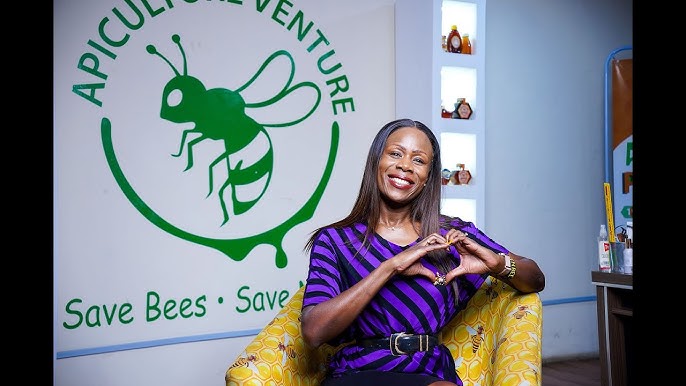
From over 3,000 beehives spread across Kenya, Pauline Otila, founder of Apiculture Venture, has found the secret to sustainable beauty, transforming hive by-products into natural skincare products.

“From the beehive, I’ve been able to come up with up to seven different products,” says Pauline.

When Pauline first traded her spreadsheets for bee suits, few believed she’d last a season. A finance professional by training, she had no background in agriculture, let alone apiculture.

“My background is finance,” she recalls. “I saw an opportunity and I started something to do with beekeeping.”

Her father was less amused. “He told me, stop being a joker and go get a proper job,” she says. “Because beekeeping was not a proper job.” Eight years later, Pauline leads one of Kenya’s most innovative women-led agribusinesses, Apiculture Venture, and has earned international recognition, including an Estee Lauder Emerging Women Leaders award.

Pauline has earned international recognition, including Estée Lauder Emerging Women Leaders award.

The irony isn’t lost on her: a cosmetics giant honoring a beekeeper. Yet it’s precisely this bridge between beauty and bees that defines her work, proving that sustainability and elegance can flow from the same hive.

Green Hives for a Greener Industry

For Pauline, saving the bees meant first saving the trees. Traditional hives, she realized, came at a steep ecological cost; each one built from timber in a world already gasping under deforestation.

“I came up with a new beehive, 80% of it is not made of timber,” she explains. The result was the expanded polystyrene beehive (EPS), a climate-smart innovation that regulates hive temperature, reduces colony losses, and keeps honey flowing even as the heat rises.

“Climate change has forced us to innovate,” she says. “And innovation has opened doors, many new doors.”

Light, durable, and long-lasting, the “Green Hive” is a symbol of a circular economy where sustainability drives profitability, and where each drop of honey or wax harvested feeds not just an industry, but a new vision of beauty from the hive to the skin.

From Hive to Skin

In Pauline’s world, the journey from hive to skin is as natural as honey itself. Every element of the beehive, from wax and propolis to pollen, royal jelly, and even venom, finds a new life in her line of organic beauty products.

“Even the lotion,” she says, “is made from wax and honey. There’s nothing chemical in it. All of it is natural.”

Her innovation arrives at a time when Africa’s beauty industry faces a worrying trend: the growing appetite for chemical skin lighteners.

“WHO estimates 77% of Nigerian women use lighteners, Kenya is getting into it, South Africa is getting into it,” she notes.

But rather than condemn, Pauline chose to create an alternative, “a product that you apply on your skin and remain fairer and beautiful through beekeeping.”

Economic and Environmental Ripple Effect

she’s turned beekeeping into a viable path to independence, especially for rural women once locked out of commercial agriculture.

Pauline’s model of apiculture is rooted in people and the planet.

“I work closely with women and youth,” she says. “In Tana River, I worked with 2,500 women. Each was able to get three beehives.”

Through a simple payback model and hands-on training, she’s turned beekeeping into a viable path to independence, especially for rural women once locked out of commercial agriculture.

The ripple doesn’t stop there. Conscious of the wood still used in her hives, Pauline leads tree-planting drives twice a year, “because I’m still consuming trees.”

Supported by partnerships with USAID, Biovision, and the Kenya Climate Innovation Center, Apiculture Venture has become a living example of what happens when enterprise meets ecology.

It’s not just producing beauty products; it’s producing climate resilience, restoring forests, and giving thousands of Kenyans a reason to see the bee not as a sting, but as a source of sustenance and hope.

Sign Up For Daily Newsletter

Be keep up! Get the latest breaking news delivered straight to your inbox.

By signing up, you agree to our Terms of Use and acknowledge the data practices in our Privacy Policy. You may unsubscribe at any time.
Editorial Desk October 29, 2025 October 29, 2025
Share This Article
Facebook Twitter Email Copy Link Print
What do you think?
Love0
Sad0
Happy0
Sleepy0
Angry0
Dead0
Wink0
Leave a comment Leave a comment

Leave a Reply Cancel reply

Your email address will not be published. Required fields are marked *

YOU MAY ALSO LIKE

The woman who refused to let a remote Kenyan lake die

World-renowned Ikal Angelei halted Ethiopia’s Gibe III Dam by founding Friends of Lake Turkana, rallying her community, and driving international…

AfricaBright IdeasChangemakersClimate JusticeEnvironment
February 26, 2026

Kanessa Muluneh does not romanticise entrepreneurship, She understands its weight

At 21, she exited her first company—an achievement that would signal arrival for many founders. For her, it marked the…

Changemakers
February 12, 2026

From Corporate to Champion Farmer: How Passion is Cultivating Success in Botswana

If you have those three as a farmer, you are a winner," she advises, while cautioning that "farming is not…

AgricultureChangemakers
October 24, 2025

How CSHEP is Nurturing Kenya’s Organic Farming Revolution

In recent years, there has been a significant shift in the food industry, as consumers in Kenya and globally are…

AgricultureChangemakersFood
October 6, 2025
We use our own and third-party cookies to improve our services, personalise your advertising and remember your preferences.
  • My Bookmark
  • Interests
  • Contact Us
  • Blog Index
  • Complaint
  • Advertise
  • Exclusives
  • Learn How
  • Support
  • Solutions
  • About Us
  • Terms And Conditions
  • Editorial Policy
  • Marketing Solutions
  • Industry Intelligence

Follow US: 

© 2025 One Planet Agency.  All rights reserved.

© 2025. All Rights Reserved. One Planet Agency
adbanner
AdBlock Detected
Our site is an advertising supported site. Please whitelist to support our site.
Okay, I'll Whitelist
Welcome Back!

Sign in to your account

Register Lost your password?