One Planet AgencyOne Planet AgencyOne Planet Agency
  • Home
  • Climate News
    • Politics
    • Justice
    • Finance
    • Business
    • Nature
    • Science
    • Carbon Markets
    • Explainers
    • Series
    • All news
  • Climate Tech
    • AI and climate
    • Campaigns
    • Companies
    • Innovations
    • Science
    • Training
  • Green Markets
  • People & Voices
    • Interviews
    • Opinion
    • Women
    • Guest Writers
  • Energy
  • Deep Dives
    • Investigate
    • Expert Opinion
    • Analysis
  • Multimedia
    • Pictures
    • Videos
    • Podcast
Reading: End Malaria Council Explores Nexus Between Malaria and Climate Change
Share
Notification Show More
Font ResizerAa
Font ResizerAa
One Planet AgencyOne Planet Agency
  • Home
  • Climate News
  • Climate Tech
  • Green Markets
  • People & Voices
  • Energy
  • Deep Dives
  • Multimedia
  • Home
  • Climate News
    • Politics
    • Justice
    • Finance
    • Business
    • Nature
    • Science
    • Carbon Markets
    • Explainers
    • Series
    • All news
  • Climate Tech
    • AI and climate
    • Campaigns
    • Companies
    • Innovations
    • Science
    • Training
  • Green Markets
  • People & Voices
    • Interviews
    • Opinion
    • Women
    • Guest Writers
  • Energy
  • Deep Dives
    • Investigate
    • Expert Opinion
    • Analysis
  • Multimedia
    • Pictures
    • Videos
    • Podcast
Have an existing account? Sign In
Follow US
One Planet Agency > Blog > Climate News > End Malaria Council Explores Nexus Between Malaria and Climate Change
Climate News

End Malaria Council Explores Nexus Between Malaria and Climate Change

By Marcus Kiprop Last updated: January 22, 2026 4 Min Read
Share
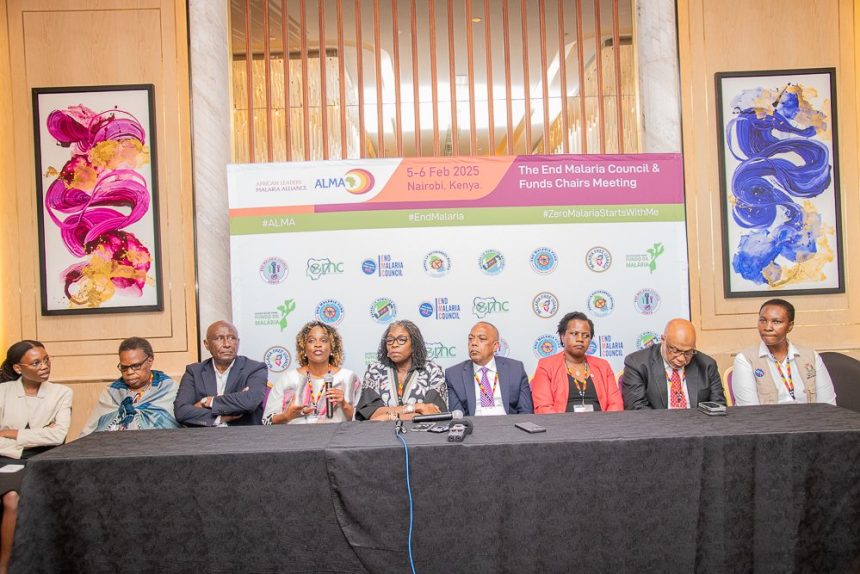
End Malaria Council

Malaria is increasingly becoming a global threat, spreading beyond tropical regions due to climate change. This foresaw the formation of the African Leaders Malaria Alliance (ALMA), which established the End Malaria Council (EMC) in eight countries. Rising temperatures and shifting weather patterns are creating ideal breeding conditions for Anopheles mosquitoes, accelerating the spread of the disease.

The malaria transmission cycle involves three key elements: the human host, the mosquito vector, and the Plasmodium falciparum parasite. Dr. Willis Akhwale, Founding Secretary of Kenya’s End Malaria Council (EMC), highlights that climate change is putting 140–170 million people at greater risk of malaria, with millions more likely to be displaced.

“Councils and funds are crucial to collectively address this growing threat,” he emphasized.
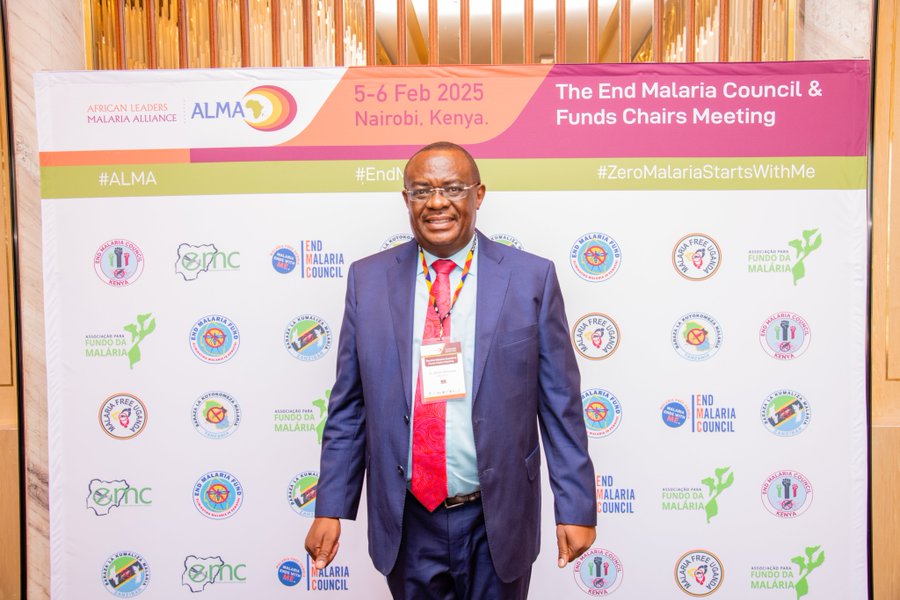
Dr. Willis Akhwale, Founding Secretary of Kenya’s End Malaria Council (EMC)

Mosquito breeding thrives in stagnant water, even in small pools formed by rain. Increased humidity and warming temperatures further boost mosquito populations, leading to more bites and higher transmission rates. Changes in weather patterns are also reintroducing malaria to regions where it had been eliminated, while areas already affected are seeing a surge in cases.

“Regions like the Highlands, Kisii, and Nandi, where malaria was previously rare, are now reporting cases due to warmer, more humid conditions,” Dr. Akhwale noted.

The End Malaria Council Kenya leverages data from the African Leaders Malaria Alliance (ALMA), the Malaria Scorecard, and the Kenya Malaria Indicator Survey to implement evidence-based interventions. Recognizing the significant impact of climate change, the council is intensifying research to better understand the link between climate and health.

Hon. Nasser Mazrui, a minister from Zanzibar, stressed that malaria is a transboundary issue affecting all demographics, regardless of age or gender. He praised the EMC for uniting over six countries to share best practices, enhance advocacy, and strengthen collaboration in combating malaria.

“While malaria traditionally affected older generations and children, we are now seeing a rise in cases among youth, underscoring the need for urgent action,” Hon. Mazrui stated.

Hon. Susan Mang’eni, Principal Secretary for MSMEs in Kenya, echoed this sentiment, emphasizing the critical role of Africa’s youth in the fight against malaria. “Africa’s youth, 60% of the population, hold the key to malaria elimination! Their energy, innovation, and grassroots mobilization can accelerate progress. Let’s empower young leaders in this fight!” she said.
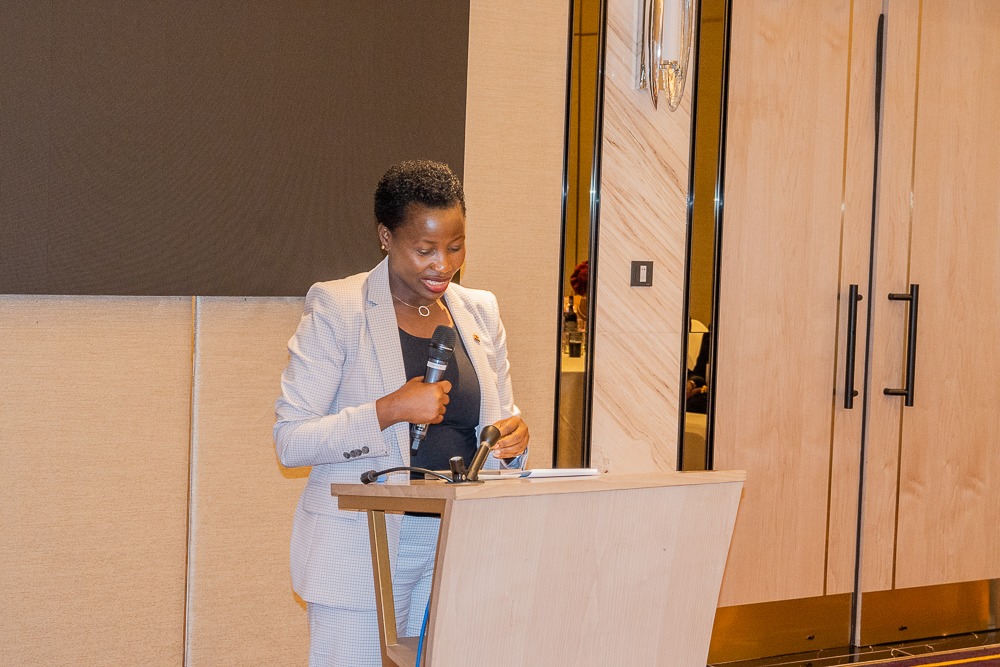
End Malaria Council
Hon. Susan Mang’eni, Principal Secretary for MSMEs in Kenya

Hon. Mang’eni also highlighted the broader impact of malaria, calling it not just a health crisis but a development crisis. “Malaria is not just a health crisis, it’s a development crisis affecting education, productivity, and economic growth. As someone from Busia, I know the pain it causes families. We must act,” she stated during the ALMA and EMC meeting.“

Juliet Kyokunda of EMC Uganda echoed these concerns, emphasizing the urgency of a collective approach. “Climate change is worsening the malaria crisis, making it harder to control. The united efforts of EMCs are vital for mobilizing funding and sharing effective strategies,” she said.
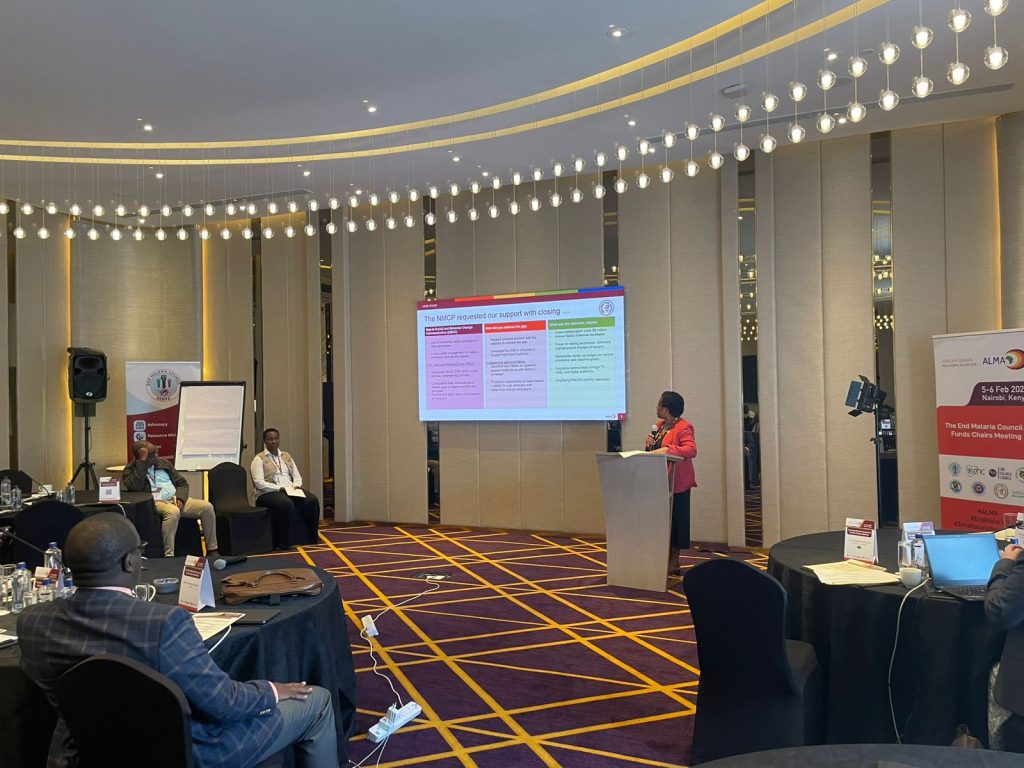
End Malaria Council
Juliet Kyokunda of EMC Uganda

Uganda, she noted, is making strides in the fight against malaria. “We are empowering communities and working together toward a malaria-free future,” Kyokunda added.

At the recent End Malaria Council & Funds meeting, Joy Phumaphi of ALMA urged leaders to learn from one another and drive progress. With Africa accounting for 93% of global malaria deaths, self-reliance and sustainable financing are critical to achieving elimination goals.

TAGGED: African Leaders Malaria Alliance, ALMA, EMC, End Malaria Council

Sign Up For Daily Newsletter

Be keep up! Get the latest breaking news delivered straight to your inbox.

By signing up, you agree to our Terms of Use and acknowledge the data practices in our Privacy Policy. You may unsubscribe at any time.
Marcus Kiprop January 22, 2026 February 17, 2025
Share This Article
Facebook Twitter Email Copy Link Print
What do you think?
Love0
Sad0
Happy0
Sleepy0
Angry0
Dead0
Wink0
Leave a comment Leave a comment

Leave a Reply Cancel reply

Your email address will not be published. Required fields are marked *

YOU MAY ALSO LIKE

African states finally team up for a bigger cut of carbon‑market billions

Countries are ramping up efforts to tap carbon markets through regional alliances and sector deals in aviation and shipping. By…

AfricaClimate NewsFinanceGreen MarketPolitics
April 16, 2026

Will cheap EVs from China wean Kenya off its second‑hand car dependence?

There is appetite for Chinese EVs but sparse charging infrastructure and taxes still discourage adoption. Seth Onyango and Derrick Opar,…

Climate NewsEast AfricaEnergyTechnology
April 15, 2026

Artemis II success exposes gaps in Africa’s climate monitoring systems

Across much of the continent, weather stations are sparse or offline, and data is not always accessible quickly enough for…

Climate NewsClimate Tech
April 15, 2026

Timing shields east and southern Africa from fertiliser price spike 

Africa’s exposure to a fertiliser price surge is uneven, with early planting before the war in Iran sparing some regions…

AfricaAgricultureClimate NewsWorld
April 9, 2026
We use our own and third-party cookies to improve our services, personalise your advertising and remember your preferences.
  • My Bookmark
  • Interests
  • Contact Us
  • Blog Index
  • Complaint
  • Advertise
  • Exclusives
  • Learn How
  • Support
  • Solutions
  • About Us
  • Terms And Conditions
  • Editorial Policy
  • Marketing Solutions
  • Industry Intelligence

Follow US: 

© 2025 One Planet Agency.  All rights reserved.

© 2025. All Rights Reserved. One Planet Agency
adbanner
AdBlock Detected
Our site is an advertising supported site. Please whitelist to support our site.
Okay, I'll Whitelist
Welcome Back!

Sign in to your account

Register Lost your password?